
Long-distance buses often run full, with riders juggling bags, tickets, and tight schedules. Those who prepare in advance handle the trip with less stress and more comfort. Knowing when to buy tickets, how to secure belongings, and what to keep close during the ride makes a real difference. Rest stops, border checks, and sudden delays are part of bus travel, but simple habits help you stay ready for them. The following reminders cover essentials that keep journeys safe, organized, and manageable, whether you ride for a few hours or cross multiple regions.
1. Confirm Schedules, Routes, and Stops
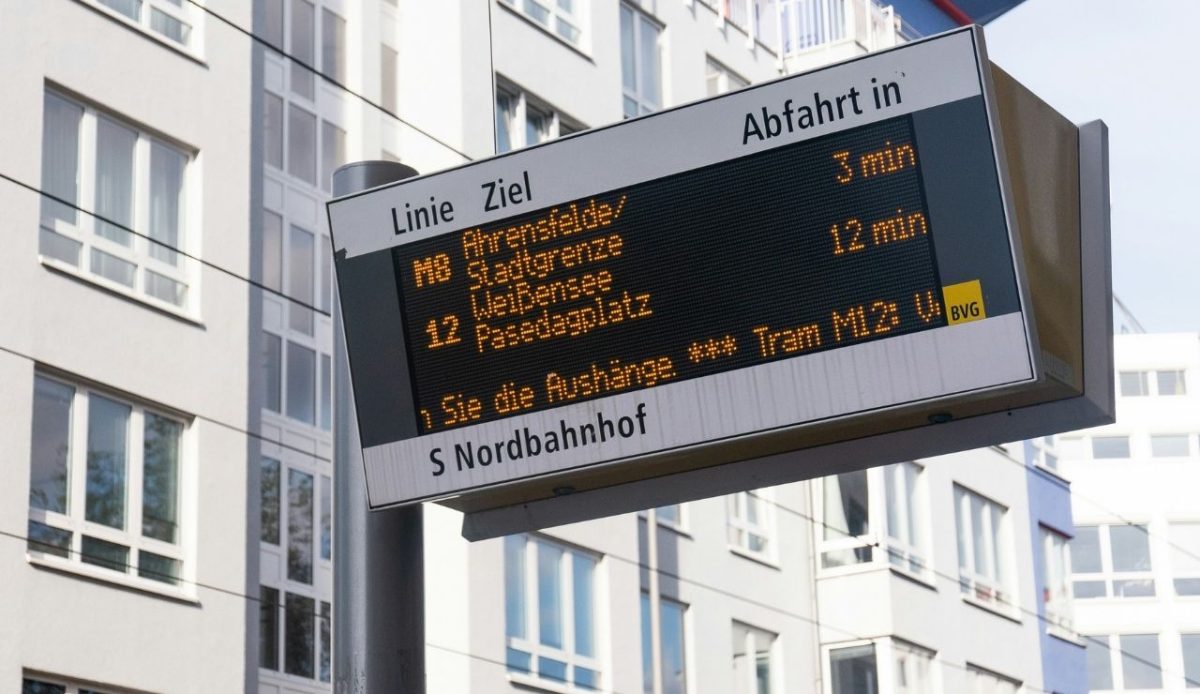
Check timetables the day before and again on departure morning. Holiday schedules differ, and express routes skip small towns. Save screenshots of maps and stops in case apps fail. Match coach numbers at terminals and verify destinations on bus signs. Set alarms for your stop to avoid missing exits. If transfers are required, allow extra time for delays. Many carriers send SMS alerts, so enroll at booking. Keep customer service numbers handy for gate changes. Careful checks prevent confusion, reduce stress, and ensure you reach the right platform without rushing.
2. Buy Tickets Early and Choose the Right Seat
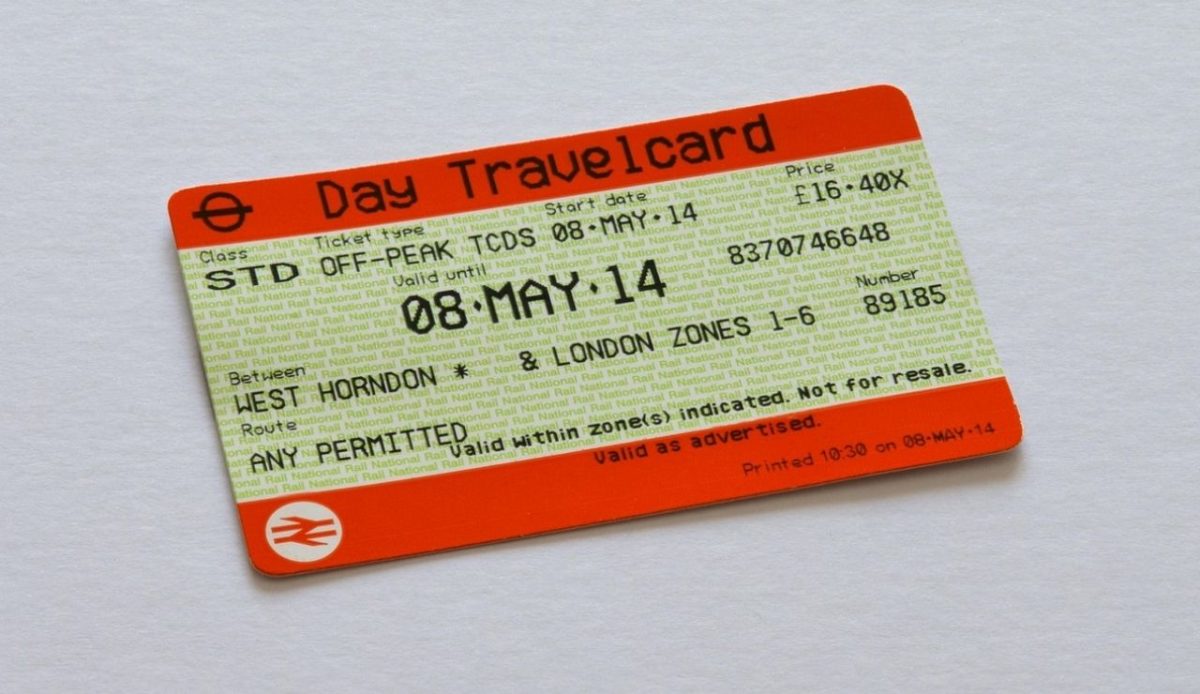
Purchase tickets early to secure lower fares and preferred seats. Aisle seats suit those who move often, while windows provide fewer bumps. Sit near the front if prone to motion sickness and avoid the rear axle. The middle rows help reduce noise and heat. Save mobile QR codes, keep printed copies for weak-signal areas, and check whether seating is assigned or open. Early boarding ensures better choices. Review refund or change rules before travel. If outlets are important, confirm availability since features vary. Smart booking helps keep your trip comfortable and stress-free.
3. Arrive Early and Navigate the Terminal
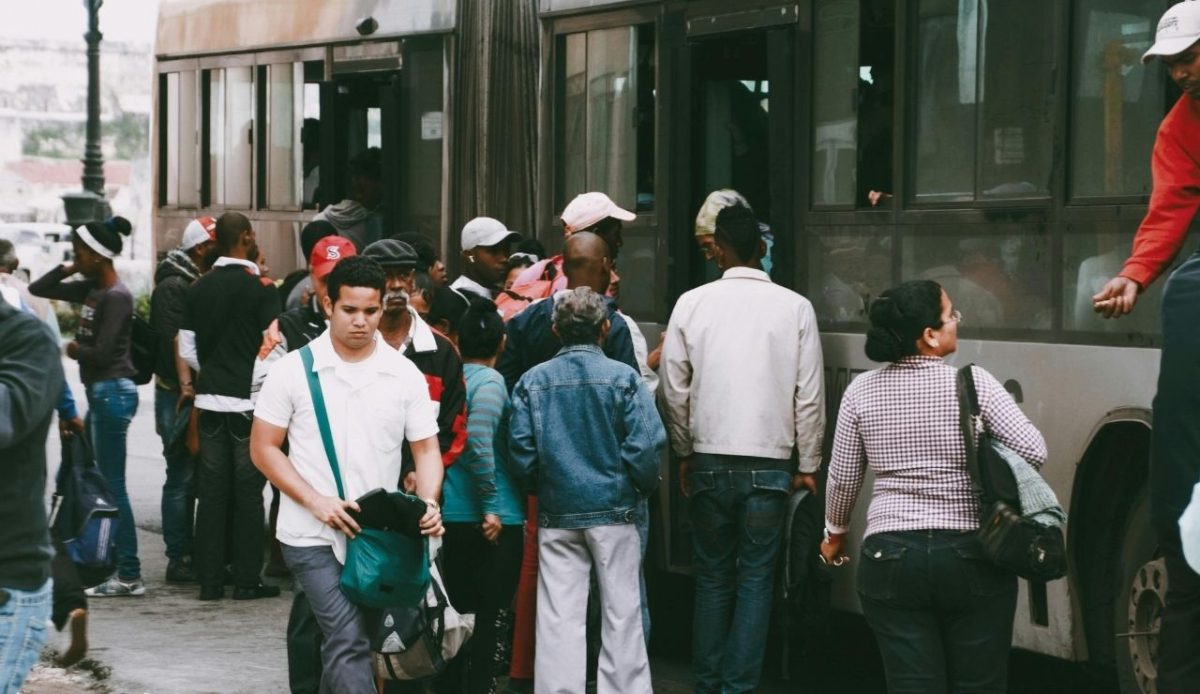
Arrive early to handle ticket checks, baggage tags, and gate changes calmly. Large depots can be confusing, so confirm details at the information desk. Locate restrooms and vending machines before returning to the waiting area. Keep ticket, ID, and payment ready for inspection. Watch displays for last-minute updates and listen for route announcements. Line up early to board smoothly and secure overhead space. If meeting others, agree on a clear landmark since phone service may fail underground. At night, remain in lit areas with staff nearby. Early arrival builds safety and reduces last-minute stress.
4. Pack Documents, Meds, and Essentials Within Reach

Keep ID, ticket, wallet, and phone in a pouch for quick checks. Add prescription meds, tissues, sanitizer, lip balm, and a small first aid kit. Pack a sweater for air conditioning, plus earplugs and an eye mask for overnight rides. Bring a refillable water bottle and light snacks in resealable bags. Never store passports, cash, or electronics in the hold. Save digital copies of IDs and tickets in secure apps and carry one paper backup. An emergency card with contact numbers and allergies is useful. With essentials close at hand, you stay organized and avoid mid-trip hassles.
5. Keep Cash, Change, and Payment Options Ready

Not all buses accept cards or mobile payments. Carry small bills and coins for fares, snacks, or restrooms that require exact change. Store cash in separate pockets and bring at least one backup card. Save a screenshot of digital tickets and print copies for weak-signal areas. Ask for receipts to resolve disputes later. If traveling abroad, notify your bank to avoid blocked transactions. Having multiple payment methods ensures flexibility when one fails, keeping your journey smooth and hassle-free.
6. Carry Snacks and Hydration Wisely

Food stops vary, so pack simple snacks like nuts, crackers, or fruit bars. Avoid foods with strong smells or messy crumbs. Carry a refillable water bottle with a secure lid and refill at rest stops. Skip heavy meals before boarding since greasy food can trigger motion sickness. Use breaks to stretch and hydrate instead of rushing through fast food lines. Balanced snacks and steady hydration keep energy levels stable, respect fellow passengers, and make long rides easier to manage.
7. Plan for Entertainment and Offline Options

Rural routes often lose signal, so download music, podcasts, or audiobooks in advance. Save videos for offline viewing and bring a paperback or puzzle book. Noise-canceling headphones or earplugs reduce engine noise and chatter. A reliable power bank keeps devices alive when outlets are missing. If traveling with kids, pack coloring books or downloaded shows. Quiet activities help time pass without disturbing others. Mixing digital and non-digital options ensures you stay engaged even when delays stretch the ride.
8. Prepare for Motion Sickness
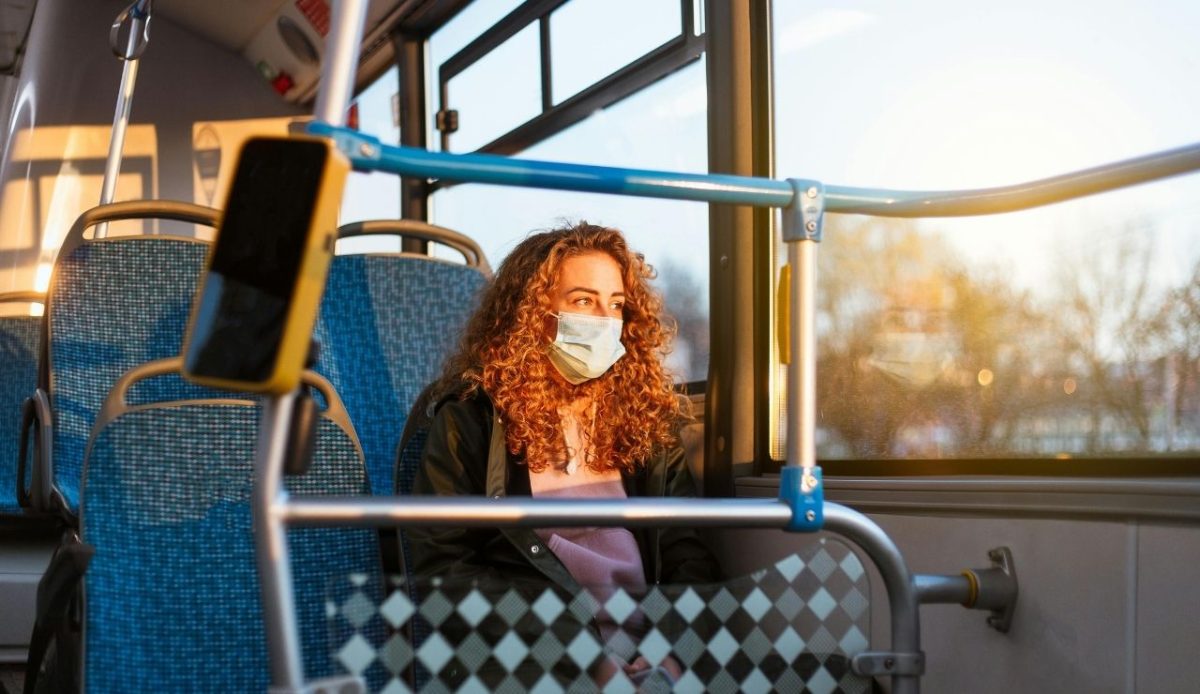
Long routes on winding roads can trigger nausea. Sit near the front or by a window and focus on the horizon. Carry motion sickness tablets, ginger candies, or wristbands for relief. Avoid heavy meals before departure and sip water in small amounts. Keep air vents open and wear light clothing for comfort. If symptoms appear, close your eyes, relax, and breathe deeply. A travel pillow keeps your head steady. Preparing for motion sickness ensures the ride stays manageable and prevents discomfort from turning into a larger issue.
9. Charge Devices and Bring Backup Power

Charge all devices before departure and carry a reliable power bank for backup. Keep charging cables within reach, not buried in luggage. A splitter or short extension cord helps when outlets are shared. Download tickets, maps, and entertainment for offline use so weak Wi-Fi does not disrupt plans. Use battery saver mode and dim screens to extend life. Set alarms for your stop even if your phone runs low. Prepared power keeps you connected, entertained, and secure throughout the ride.
10. Exit Smoothly and Check for Belongings
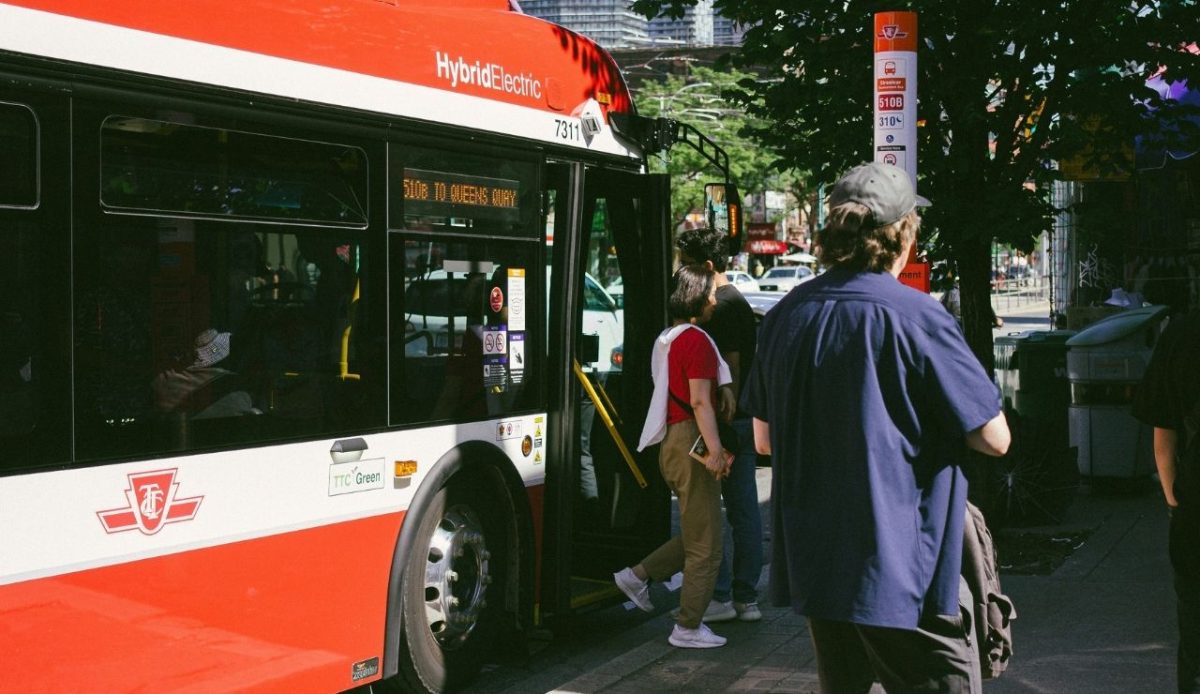
Gather your belongings before the final stop so nothing is left behind. Check under seats, seat pockets, and overhead racks for small items like chargers or sunglasses. Keep your ticket handy in case staff request it on exit. Collect checked baggage by matching receipts before leaving the terminal. Exit calmly and thank the driver when possible. Organize your bag before stepping into crowds outside. A smooth exit ensures the last part of your trip stays as organized as the start, preventing unnecessary stress.
