
Cruise guests in 2026 are seeing more rules and higher add-on costs, even when cabin fares look steady. Major lines are changing what counts as loyalty, what packages cover on board the ship, and which perks sit behind higher tiers.
Complaints usually rise when a change is automatic, hard to avoid, or not matched by a clear new benefit. Small daily charges add up fast when they apply to every person for a full week, especially for families.
Below are ten specific 2026 adjustments that passengers often describe as downgrades. Each section notes the policy shift and the practical impact on planning, from total trip cost to what is no longer included.
1. Carnival Raises Daily Gratuities Fleetwide
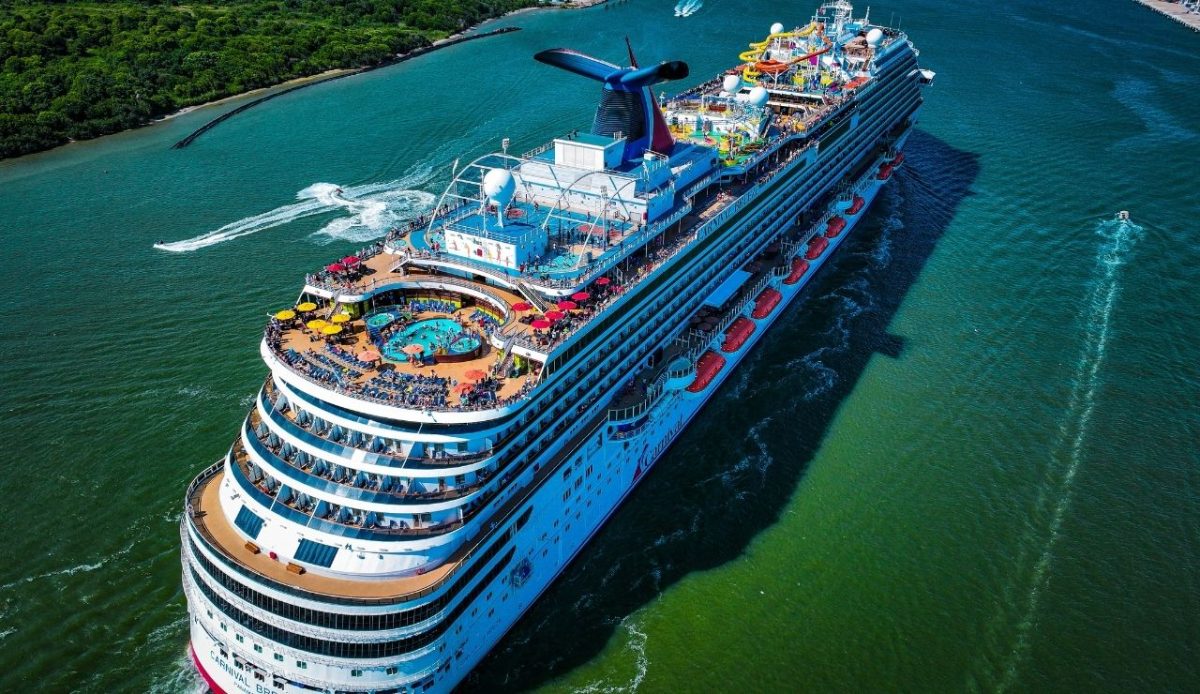
Carnival’s automatic daily gratuities rise on April 2, 2026, increasing the per-person amount for standard cabins and for suites. Because the charge is applied each night to onboard accounts, the increase scales with trip length and cabin occupancy.
Many travelers treat it like a fare bump that appears after booking. Service patterns in dining rooms and staterooms are not changed in a way most guests can measure, so the added dollars feel disconnected from experience.
On a seven-night sailing, the math is simple, and it is noticed quickly. Groups traveling with kids see the largest jump because the rate applies by guest, not by room, which is why the change is often labeled a downgrade.
2. Carnival Raises Bottomless Bubbles Pricing
Carnival also raised the adult Bottomless Bubbles soda package price on April 2, 2026, moving it from a lower daily rate to $11.99 per person. The child price stays the same, but a service charge still applies to the package total.
Passengers who buy soda plans for several people say the increase changes the feel of an otherwise basic add-on. It is framed as paying more for the same unlimited fountain drinks and juices, rather than a new product with broader coverage.
The shift matters most on longer trips, where prepaid packages are used to lock in a budget. Frequent cruisers compare prior receipts and see a clear jump per day, so the update often gets grouped with other fee growth as a value downgrade.
3. Carnival Switches Loyalty Status to Spending
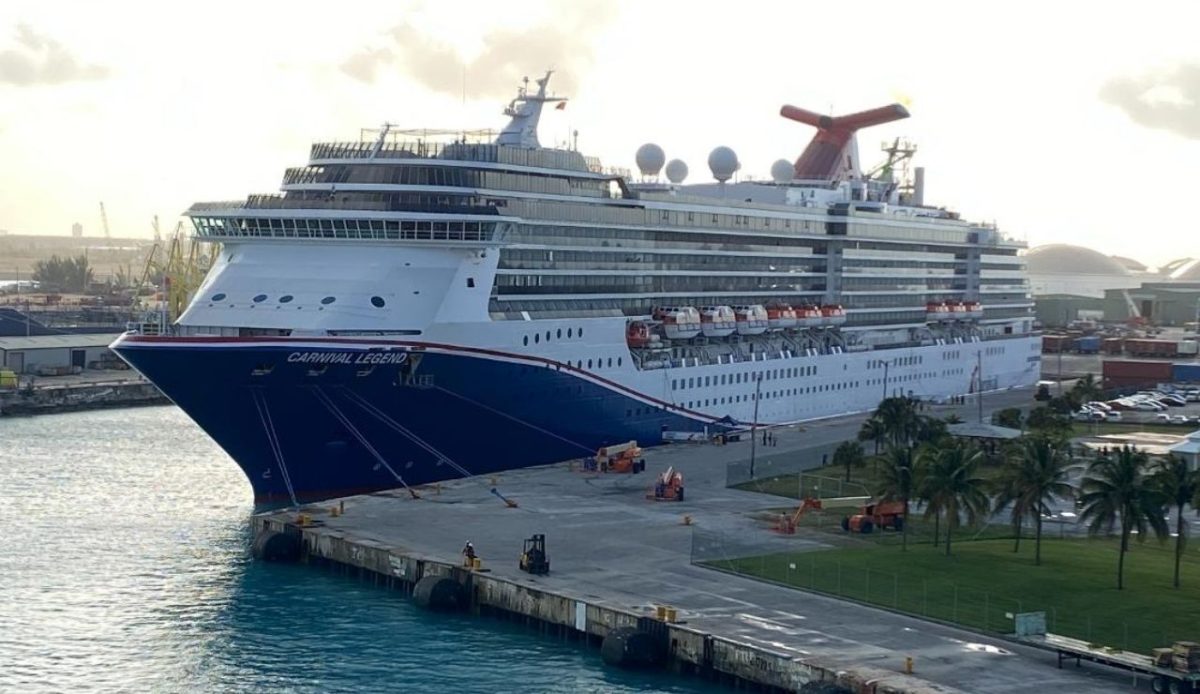
Carnival Rewards replaces the VIFP system in 2026, and status will be tied to spending instead of nights sailed. Points and status stars can be earned through cruise purchases and related card activity, shifting the path to higher tiers.
Guests who reached Platinum or Diamond through frequent but modest sailings worry that their pattern will be less rewarded. The setup favors higher onboard spend, so loyalty can feel less like recognition and more like a transaction score.
Passengers describe the change as a downgrade because it reshapes who qualifies for priority perks. When two travelers sail the same number of days, the one who spends more may now advance faster, which alters expectations.
4. Carnival Moves Elite Status to a Requalification Cycle
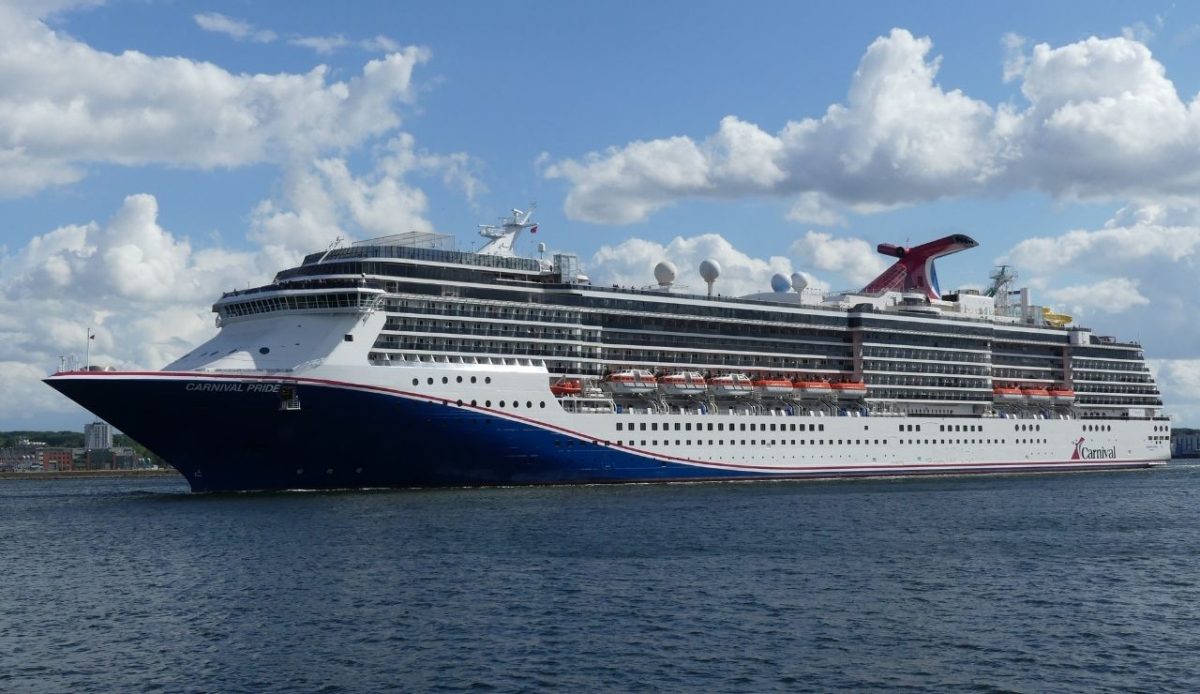
Under Carnival Rewards, tier status will be reviewed on a cycle rather than held forever once earned. Reporting on the rollout notes that the status set at launch lasts through the end of 2028, then it is reassessed every two years.
That timing creates pressure for guests who cruise in bursts. Someone might sail heavily one year and lightly the next, yet still want the same boarding lines, service desk access, and event invitations.
Passengers call this a downgrade because it turns long-term loyalty into a maintenance task. Even if benefits remain similar, the need to keep spending or sailing on schedule adds uncertainty, which is the opposite of what many expected from elite tiers.
5. Norwegian Ends Drink Package Coverage on Great Stirrup Cay

Norwegian will stop honoring shipboard beverage packages on Great Stirrup Cay for port calls arriving on or after March 1, 2026. Complimentary basics like water and some nonalcoholic options remain, but paid packages no longer cover bar drinks on the island.
Guests who prepay an unlimited plan often assume it follows them ashore at the line’s private stop. When coverage ends at the pier, the value of the package drops on a day marketed as a highlight.
Passengers describe the change as a clear downgrade because it removes a simple expectation. The policy forces new budgeting for an island day and can raise spending for groups, especially when the stop drives the booking.
6. Norwegian Sells a Separate Great Stirrup Cay Bar Option

To replace island coverage, Norwegian is introducing a separate beverage option for Great Stirrup Cay that can be booked instead of relying on onboard packages. Travel reporting says the island plan becomes available to reserve starting January 1, 2026.
Passengers react strongly because it feels like paying twice for the same category of benefit. A traveler can already buy a shipwide package, but must consider another purchase for a single port day.
Even if the island program is priced fairly, the extra decision point adds friction. Guests who liked package simplicity say the split coverage is a downgrade because it breaks the all-day continuity they expected.
7. Norwegian Tightens Dining Dress Rules
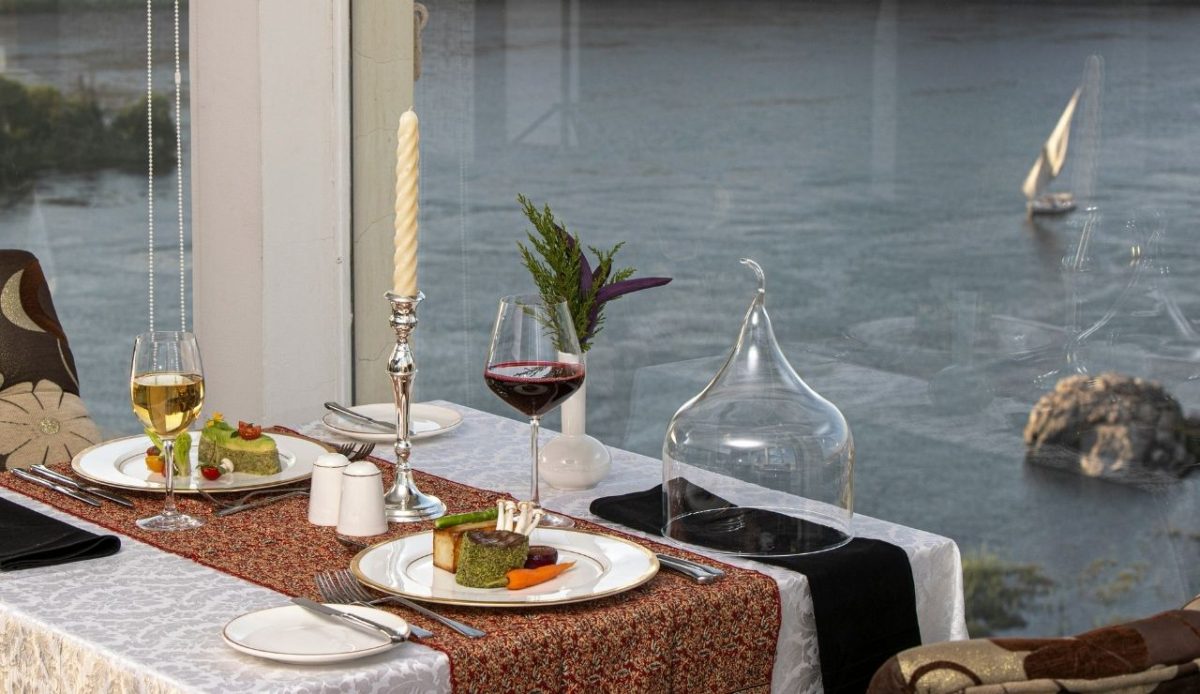
Norway updated dining attire rules in early 2026, with shorts no longer allowed in several upscale venues during dinner service. Guidance also limits items like tank tops, flip flops, and torn jeans in specified restaurants.
Passengers who booked for the line’s casual brand feel blindsided, especially on warm-weather routes where shorts are normal evening wear. When guests are turned away or told to change, the rule becomes a negative memory.
Travelers call the shift a downgrade because it reduces flexibility without improving food or service. For some, it also means packing extra clothing and shoes to avoid a missed reservation, which adds cost and hassle compared with prior trips.
8. Norwegian Requires a One Day Early Arrival for NCL Air
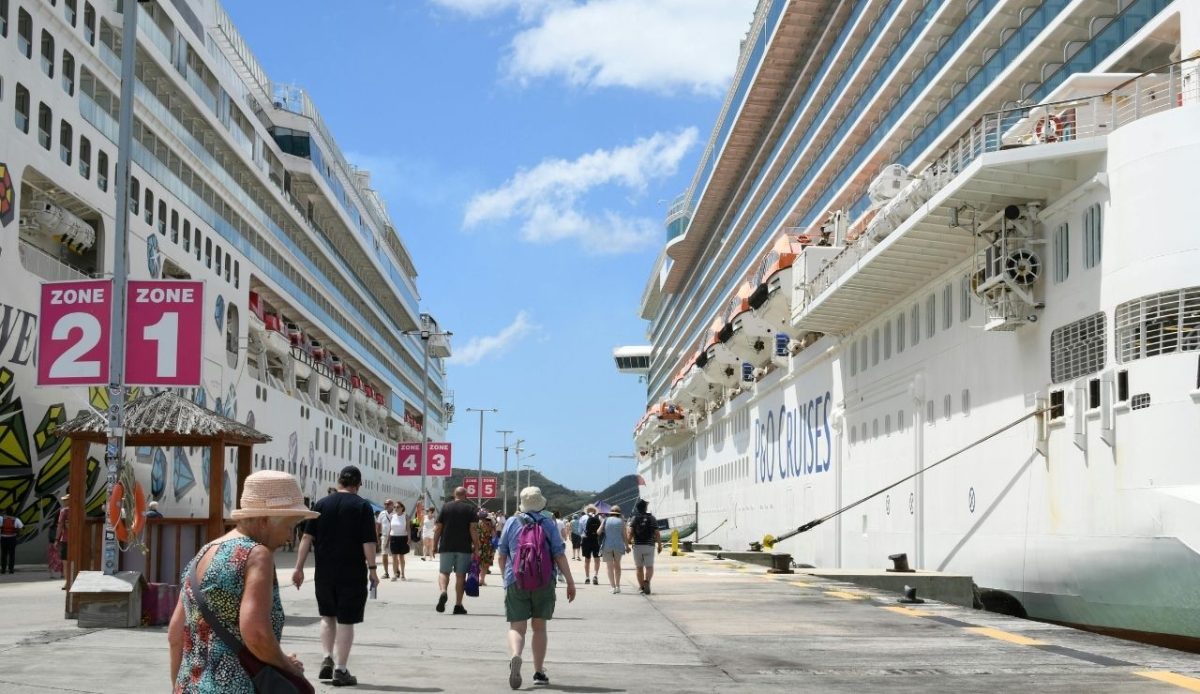
Norwegian changed its air program policy on January 26, 2026, requiring guests who book flights through its air offerings to arrive at the embarkation port at least one day before sailing. The rule applies to new air-inclusive reservations and to bookings repriced after that date.
Some travelers like the buffer against delays. Others see it as an added cost, especially on short cruises where a pre-cruise hotel night can rival the value of an extra sea day.
Passengers call this a downgrade when it disrupts schedules and raises the total trip bill. Even with the same cabin fare, travelers may now need extra lodging, meals, and local transport to comply with the requirement.
9. Princess Raises Plus and Premier Bundle Prices for 2026
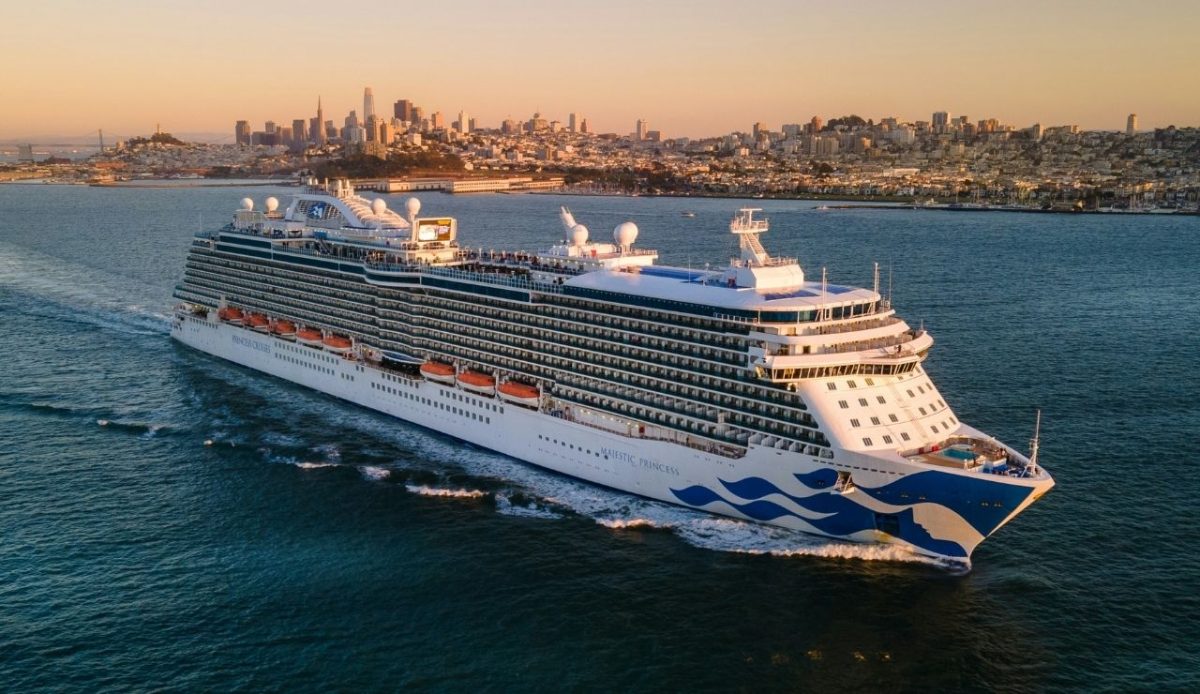
Princess increased the pre-cruise price of its Plus and Premier bundles for voyages sailing in 2026, with Plus listed at $65 per person per day and Premier at $100 per person per day under updated terms. On some newer ships, the per-day price is higher.
Passengers who used packages to simplify budgeting say the value gap narrowed. When the bundle cost rises, travelers must recalculate whether drinks, photos, and Wi Fi are still cheaper than buying items one by one.
The downgrade complaint is about math, not branding. On longer itineraries, the higher daily rate multiplies quickly, and many guests buy packages for more than one adult. The higher entry price can feel less friendly to moderate spenders.
10. Princess Removes Smaller Perks From Bundles on 2026 Sailings
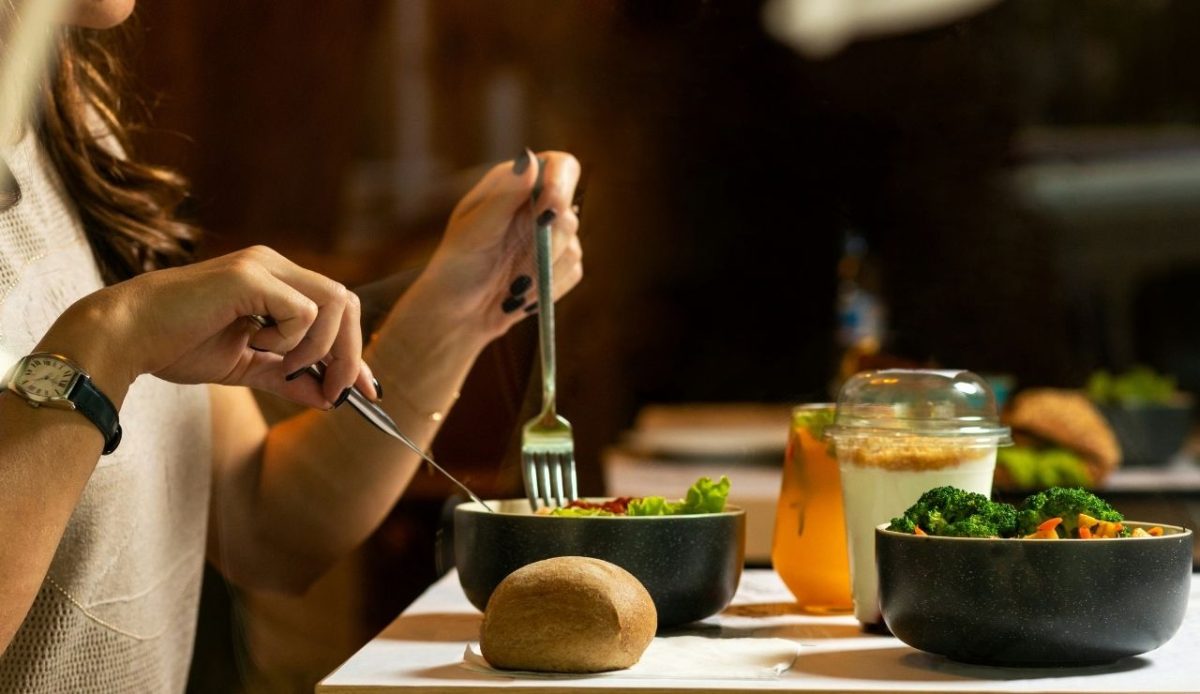
Along with new pricing for 2026 sailings, Princess adjusted what is included in Plus and Premier. Coverage of the July 2025 update notes removals, including premium desserts, the juice bar, fitness classes, and Medallion shipping.
Passengers react because these smaller extras are what make a bundle feel complete. When a perk disappears, guests either pay separately or skip it, and both outcomes change the routine they expected.
The downgrade label shows up when travelers compare the same package name across years. Even if other benefits were added, losing familiar inclusions makes budgeting harder. For repeat cruisers, a bundle that costs more while covering fewer small items feels like a step back.
