
Luxury travel in 2025 reflects a clear shift toward destinations that offer quieter settings, stronger cultural identity, and a feeling of discovery without sacrificing comfort. Travelers who once returned to the same well-known cities or islands are now looking for regions that combine modern hospitality with distinctive scenery. Advisors tracking premium bookings report rising interest in places that invest in refined hotels, better access, and experiences shaped by local character rather than large resort zones. Climate patterns, new flight routes, and a desire for space also influence choices. These factors together have pushed several countries forward as unexpected leaders in the luxury market.
1. Saudi Arabia
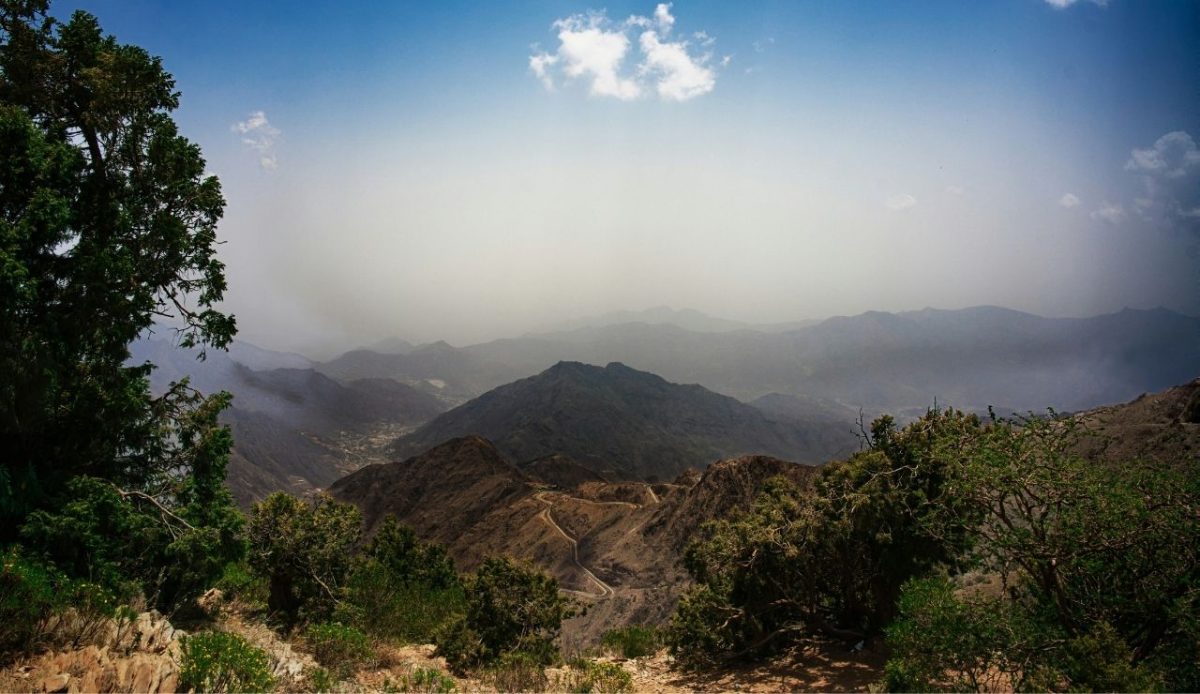
Saudi Arabia has become one of the most ambitious new luxury destinations as major projects open along the Red Sea and across desert areas that were once out of reach for international visitors. Travelers are drawn to dramatic landscapes, heritage sites, and new resorts that combine striking design with a sense of privacy. Relaxed visa rules and upgraded airports reduce barriers that previously limited tourism. The country appeals to guests who want varied experiences rather than a single coastal setting, and its long-term commitment to tourism has encouraged leading luxury brands to invest heavily. This combination positions Saudi Arabia as a major force in high-end travel.
2. Norway
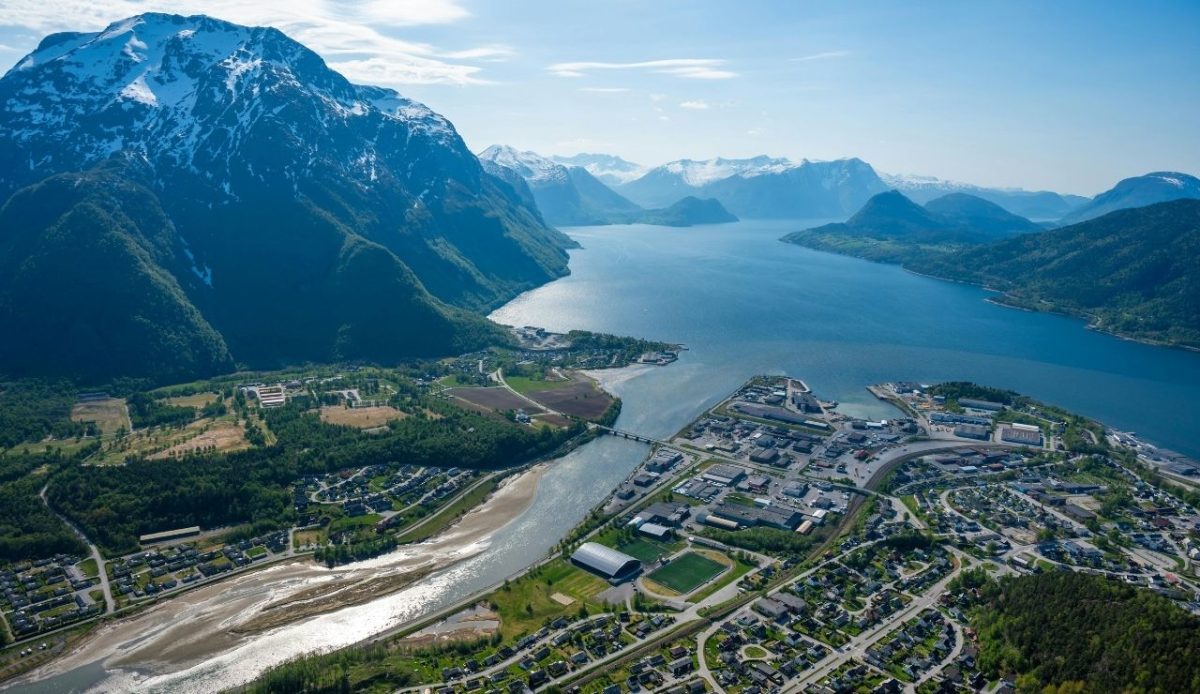
Norway is rising as a luxury choice in response to growing demand for cooler and quieter summer destinations. Travelers seek natural settings where comfort and scenery work together, and Norway offers fjords, forests, and coastline that feel exclusive without needing heavy development. High design cabins, private boat journeys, and tranquil wellness retreats attract visitors who prefer understated travel. The trend toward nature-focused itineraries has pushed Norway into a new category where high-end experiences rely on space and calm rather than nightlife or crowded beaches. This shift reflects a broader move toward climate-friendly summer travel within the luxury sector.
3. Portugal
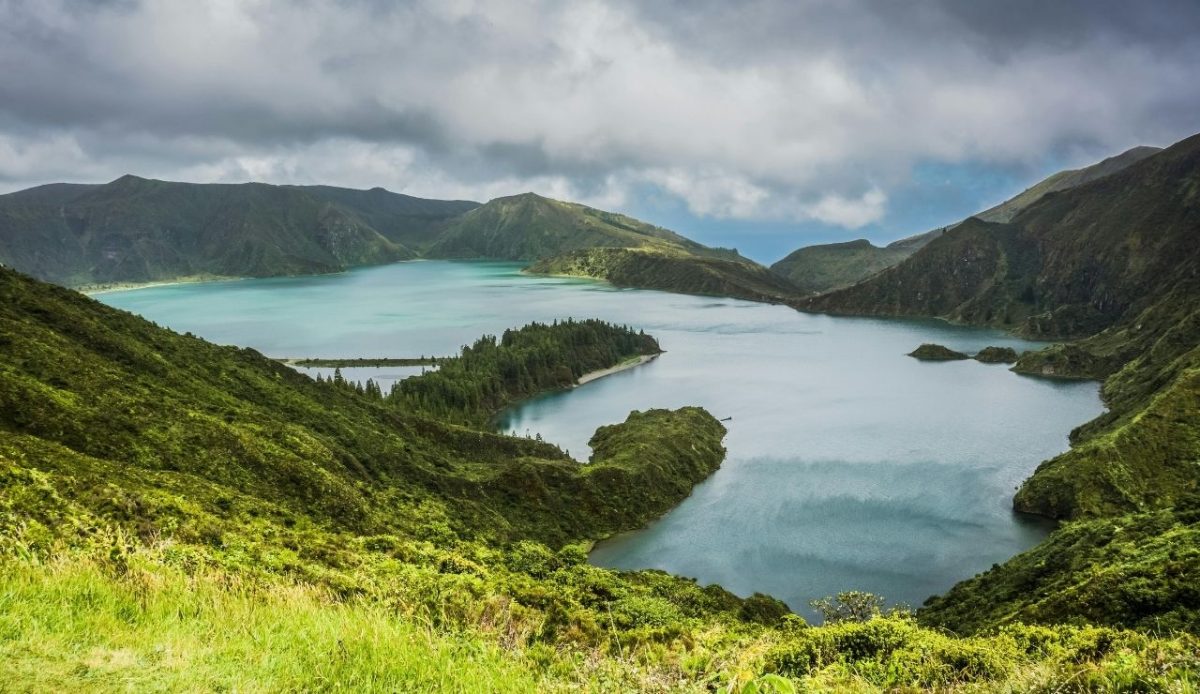
Portugal’s luxury attention has expanded beyond major cities to the Azores and Alentejo, two regions that appeal to travelers seeking privacy and cultural depth. The Azores draw visitors with volcanic scenery, clean air, and remote island landscapes that feel far from typical European routes. Alentejo offers vineyards, open plains, and relaxed coastal towns where boutique hotels emphasize local design and quiet living. These regions present Portugal as a country with varied high-end options rather than a single urban focus. Their momentum shows how thoughtful development can guide expensive travel toward areas that value space, character, and a slower pace.
4. Sri Lanka
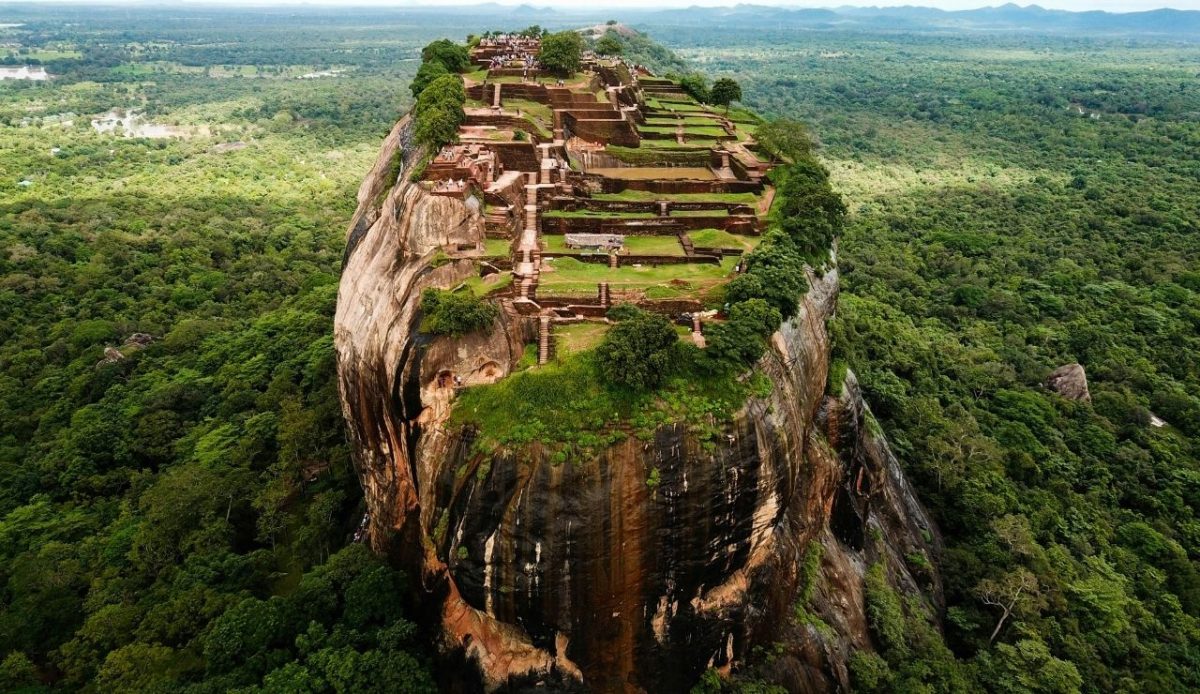
Sri Lanka is returning as a luxury contender after several challenging years, thanks to its blend of tea estates, national parks, heritage attractions, and unspoiled beaches. Travelers who seek alternatives to crowded Southeast Asian resorts find Sri Lanka appealing for its quiet landscapes and intimate hospitality. New boutique hotels support slow travel with an emphasis on scenery and cultural connection rather than large resort complexes. Colombo’s upgraded hotel scene strengthens the urban offering, but the main draw remains the countryside and coastline. The renewed interest suggests a stable path forward for high-end tourism on the island.
5. Costa Rica
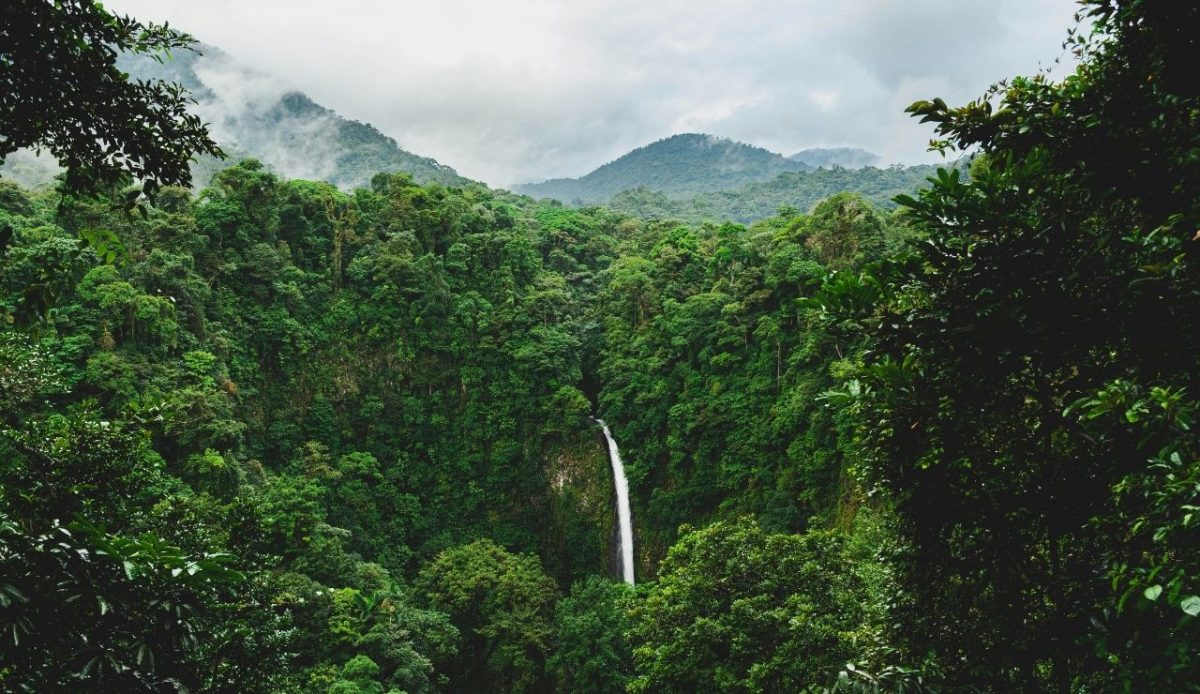
Costa Rica has moved beyond its earlier focus on eco tourism and now attracts high-end travelers who want an elevated version of its familiar nature-based appeal. New luxury resorts provide larger suites, private pools, and refined dining while maintaining the country’s strong environmental identity. Visitors can combine rainforest experiences with ocean views and upscale wellness programs in a way that was not possible a decade ago. The combination of comfort and conservation resonates with guests who want meaningful travel supported by thoughtful design. These developments reinforce Costa Rica’s position as a leading luxury destination in the region.
6. Thailand
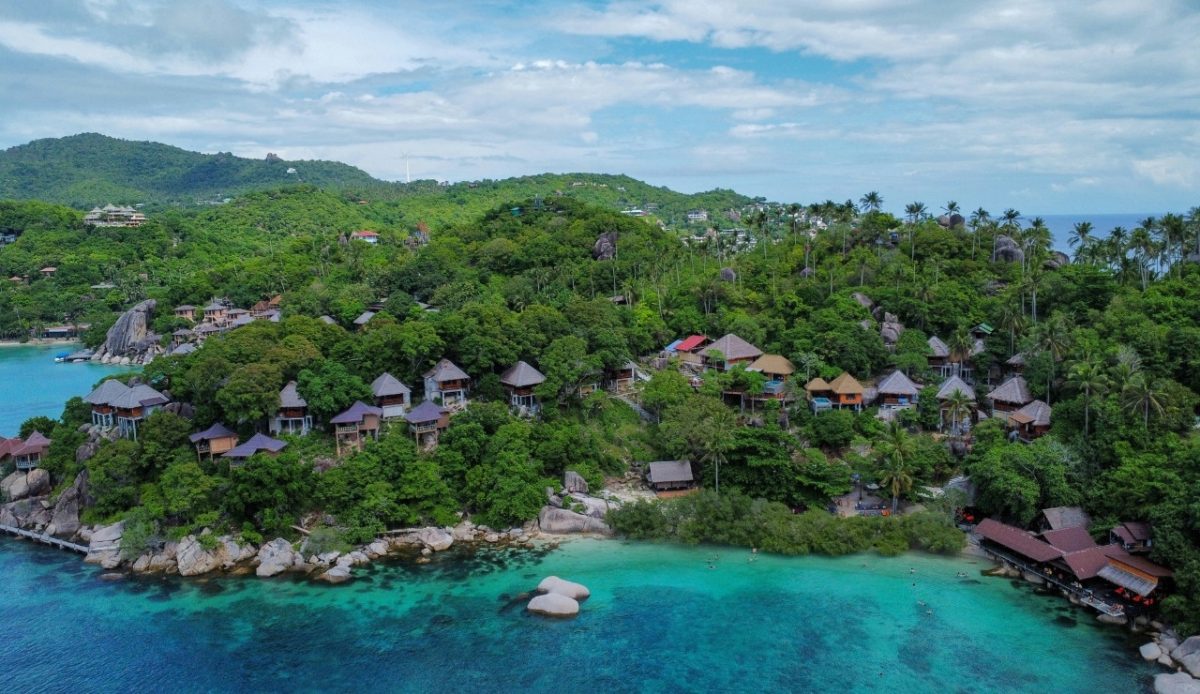
Thailand enters 2025 with renewed strength as a luxury destination thanks to new hotel openings and a wave of global interest driven by cultural attention and media exposure. Travelers are returning to the islands and cities with a focus on properties that offer privacy and modern design. Interest in locations featured in high-profile productions has expanded travel patterns beyond traditional beach areas. Bangkok’s updated hotel scene adds energy to an already popular capital, and visitors continue to appreciate the country’s balance of hospitality, cuisine, and scenery. Thailand remains a dependable choice for travelers seeking comfort with variety.
7. Vietnam
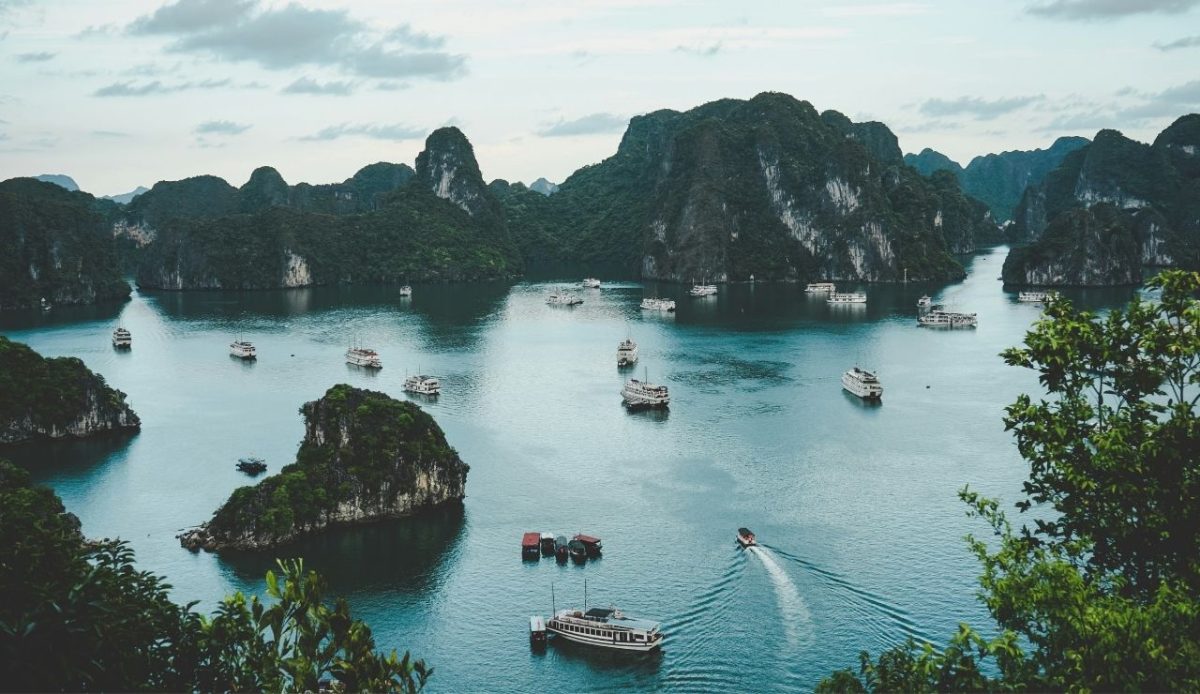
Vietnam has evolved into a strong luxury option by pairing cultural richness with design-focused hotels and curated experiences. Coastal resorts emphasize architecture and wellness, while cities highlight gastronomy and thoughtful service. High-end rail journeys and national park retreats give travelers access to quiet areas where nature and comfort align. The arrival of global dining recognition has elevated the country’s culinary appeal, and new hotel openings are helping shape itineraries that stretch beyond the usual city routes. Vietnam’s ability to balance heritage with modern amenities supports its rise in upscale travel.
8. Antarctica

Antarctica has emerged as a distinct luxury frontier for travelers who want rare experiences supported by elevated service. Modern expedition ships now offer spacious suites, advanced navigation systems, and curated excursions that allow guests to explore remote environments in comfort. The appeal is rooted in exclusivity and the chance to witness a landscape that feels untouched. Wildlife encounters and dramatic scenery create a deeper sense of purpose compared with traditional resort travel. This shift has placed Antarctica firmly on the map for travelers who value experiences that are both personal and environmentally focused.
9. Japan
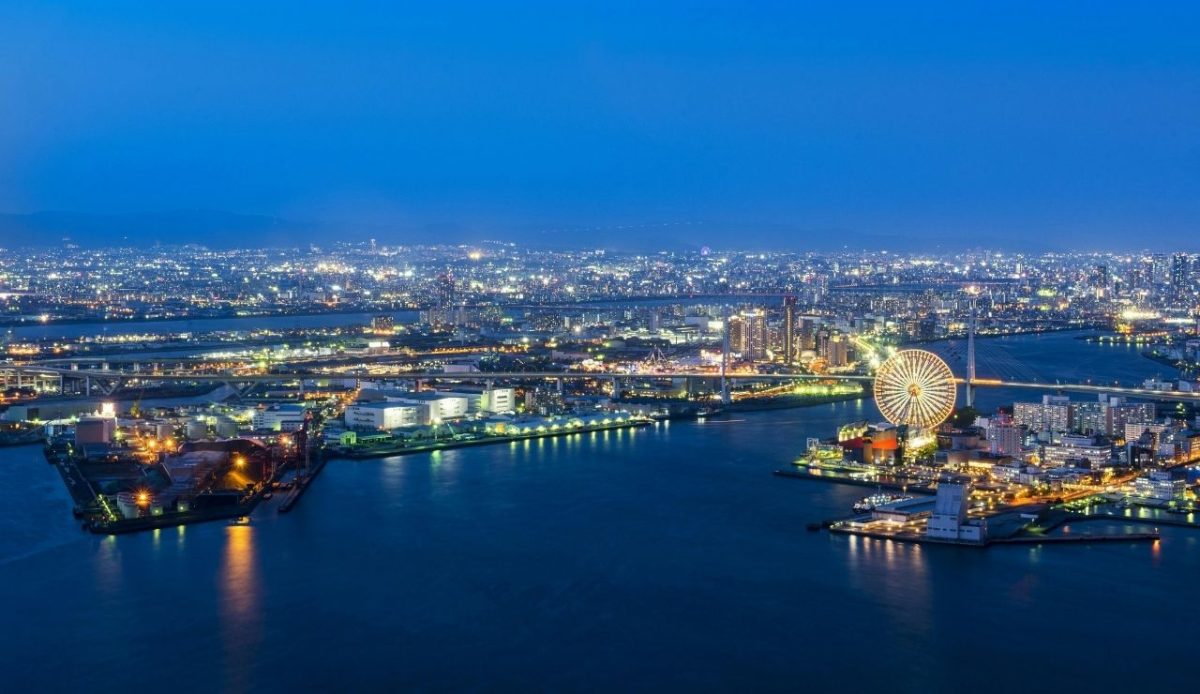
Japan continues to attract upscale travelers, but the focus is shifting toward Osaka and rural regions that offer new cultural and hospitality experiences. Osaka’s preparations for a major global event have led to a series of notable hotel openings that highlight modern design and refined service. Rural areas appeal to travelers who want quiet stays in traditional inns where craftsmanship and nature shape the experience. This combination of urban renewal and countryside calm shows how Japan can support luxury travel across multiple settings. Travelers view the country as a place that offers variety without sacrificing comfort.
10. Morocco
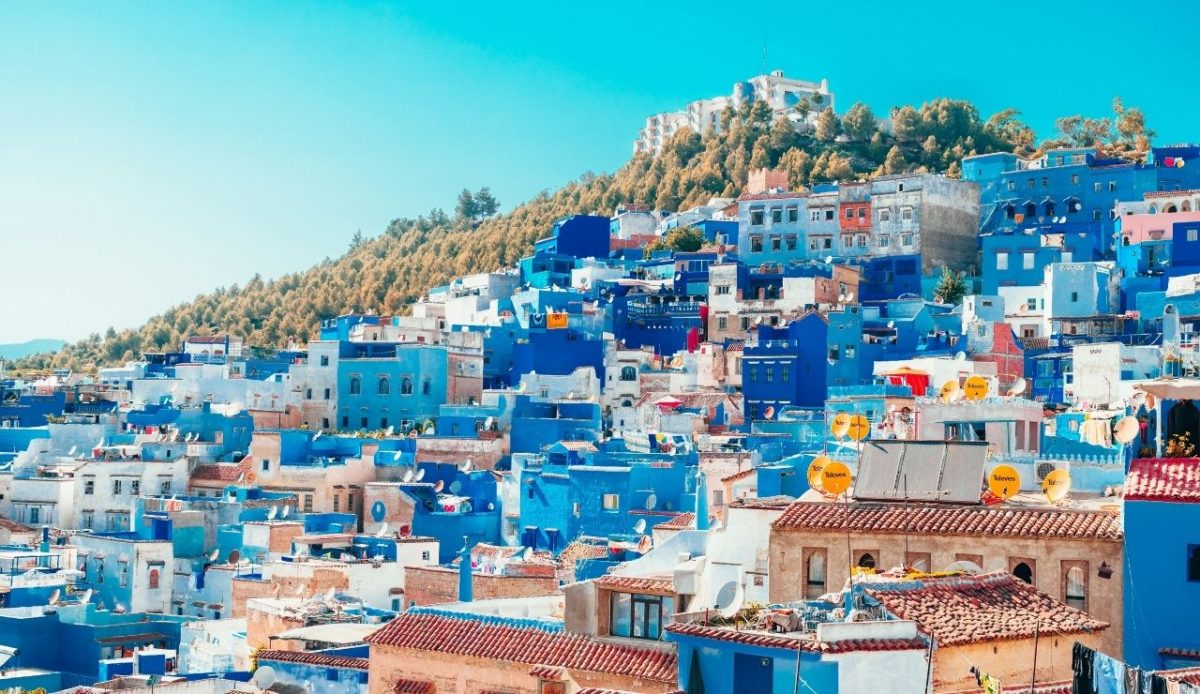
Morocco’s luxury rise is driven by renewed interest in northern cities, coastal towns, and desert regions that combine cultural depth with sophisticated hospitality. Travelers are drawn to restored riads, contemporary beach hotels, and desert camps designed for comfort and immersion. Improved air links have made the country more accessible to key markets in Europe and North America. While classic cities remain popular, quieter areas now attract visitors who want high-end travel supported by history, scenery, and warm local culture. Morocco’s steady momentum suggests growing influence within the global luxury landscape.
