
China often looks simple to plan, yet first-time visitors regularly face rules that shape where they can stay, how they move, and what they can bring across the border. These are not cultural habits or etiquette tips but enforced requirements tied to immigration law, customs checks, and public security systems. Some apply only in certain situations, while others affect nearly every foreign visitor. Missing them can cause delays, fines, denied boarding, or forced route changes. The sections below focus only on documented rules that are applied in real situations and frequently surprise travelers during short or first visits.
1. Address Registration Is Required Outside Hotels

Foreign visitors who stay anywhere other than a licensed hotel must register their address with local public security, usually within twenty four hours of arrival. This applies to apartments, homestays, and staying with friends. Hotels file the report automatically, but private hosts do not. Registration is done with a passport, proof of address, and a confirmation record may be requested later during visa matters or document replacement. Many visitors assume this step is optional, yet it is treated as a legal requirement linked to immigration records. Missing registration can result in warnings, fines, or extra questioning, especially when moving between cities or checking into another property.
2. Adults Are Expected To Carry a Passport

Visitors aged sixteen or older are expected to carry their passport or a valid stay permit and present it during inspections. A photocopy or phone image is often not accepted. Identity checks can occur at train stations, large attractions, events, or during routine street policing. Travelers who leave passports in hotel safes may be denied entry, delayed, or asked to return with the document. This surprises visitors from countries where ID checks are rare. Carrying the original passport is considered part of lawful presence and is closely tied to access to transport, lodging, and ticketed facilities across many cities.
3. RMB Cash Has a Fixed Entry And Exit Limit
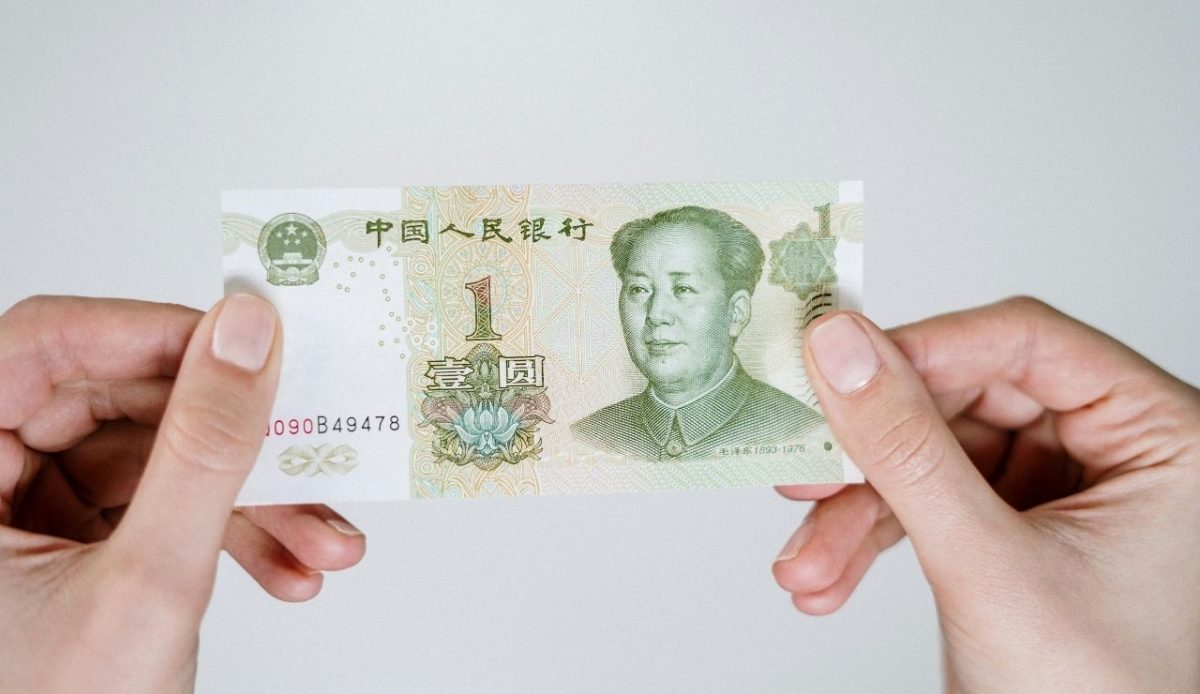
China enforces a strict rule on carrying its own currency across the border. Travelers may not bring in or take out more than twenty thousand yuan in RMB, and amounts above that limit are prohibited rather than merely taxable. This catches visitors who exchange large sums late in their trip or plan to leave with leftover cash. Customs officers may count bills during inspection, and excess RMB can be confiscated. The rule applies at airports, seaports, and land borders regardless of nationality. To avoid problems, rely on cards or mobile payments and exchange smaller amounts as needed.
4. Foreign Currency Has A Mandatory Declaration Threshold

Foreign currency cash is allowed, but declaration rules apply once totals reach the stated threshold, commonly the equivalent of five thousand US dollars. The amount is calculated across all currencies combined. Travelers who meet or exceed the limit must complete a written customs declaration and keep a copy for exit. Failure to declare can lead to questioning, delays, or seizure of funds. Many visitors assume the declaration applies only to very large sums, but enforcement can begin sooner than expected. Counting cash before reaching the inspection counter helps avoid confusion, and keeping exchange receipts supports lawful re-export later.
5. Certain Printed And Digital Media Are Restricted

Customs rules restrict bringing in certain books, magazines, recordings, and digital files considered harmful to state security or public interests. This can include politically sensitive publications or large quantities of printed material. Inspections are not constant, but they do occur, especially at airports. Officers may question travelers carrying stacks of documents or external storage devices. Many first-time visitors assume personal reading material is always acceptable. To reduce risk, avoid carrying sensitive content in physical form, keep work archives in cloud storage, and limit visible media during entry inspections, since prohibited items can be seized.
6. Duty-Free Tobacco And Alcohol Have Tight Limits

Alcohol and tobacco allowances are limited, and excess quantities must be declared on arrival. Common passenger caps include restricted volumes of alcohol above certain strength levels and fixed cigarette counts. Travelers are often surprised because duty-free shopping happens after security, yet customs rules still apply at the destination. If officers find over-limit items that were not declared, taxes, fines, or seizure can follow. Receipts help clarify purchase details, but they do not replace a declaration. Declaring early is usually faster than arguing at inspection, especially during busy arrival periods when secondary checks can add long delays.
7. Local SIM Cards Require Real Name Registration
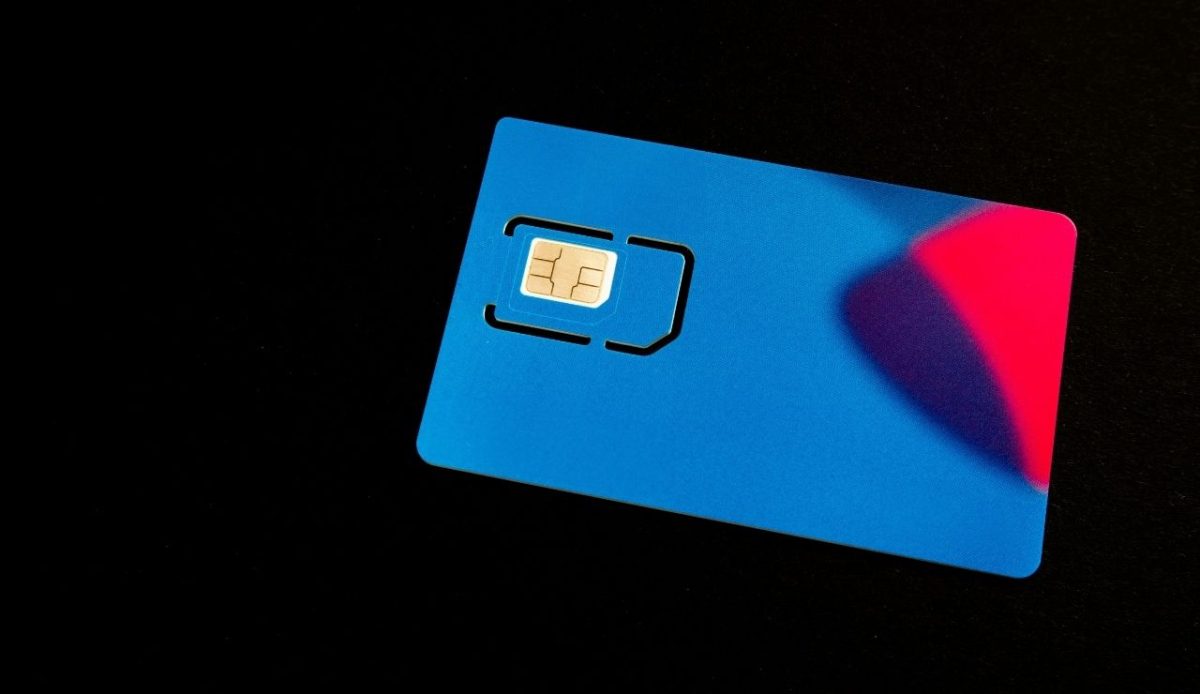
Buying or activating a local SIM card requires real name registration, which means presenting an original passport at the point of sale. Staff typically scan the data page and link the number to your identity before service begins. Some stores also capture a photo during activation. Visitors expecting anonymous prepaid SIMs can waste time moving between shops, particularly at airports where queues are long. Without proper registration, service may be denied. Since many services rely on verification codes, setting up a SIM early helps with payments, maps, and ride bookings during the first days of travel.
8. Train Tickets Are Linked To Your Passport
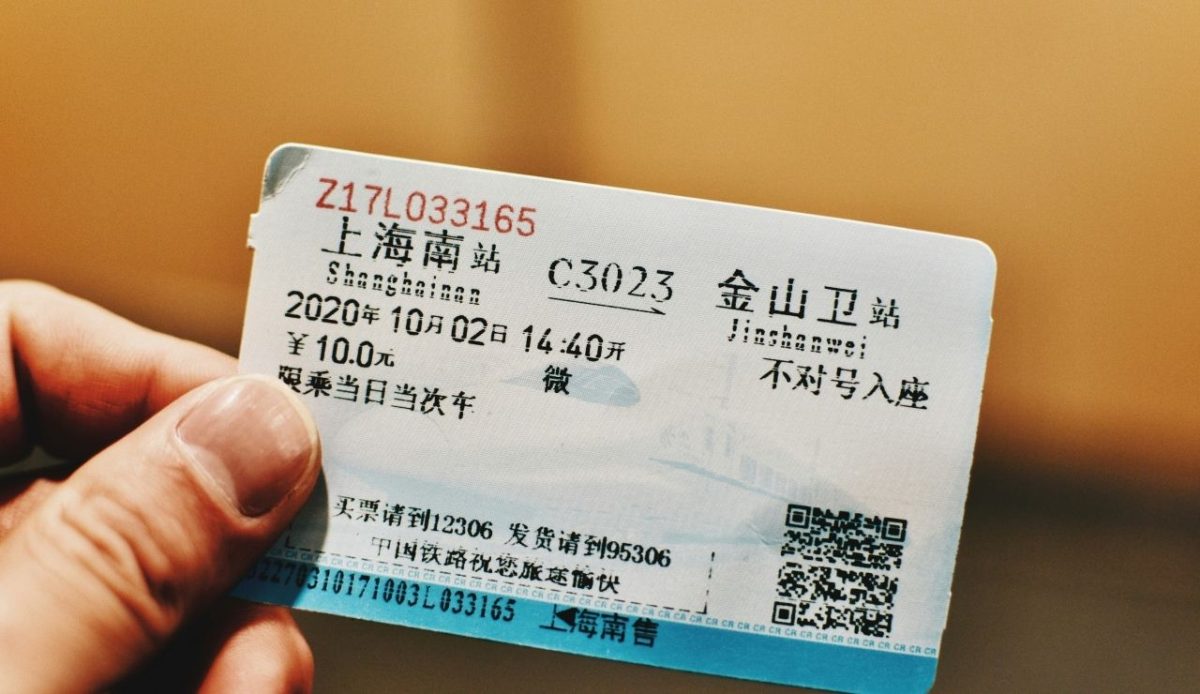
China’s rail system uses real-name ticketing, meaning train tickets are tied directly to passport details. The same passport must be used for booking, ticket checks, and boarding. At many stations, travelers pass security screening and enter through gates that scan documents. If passport details are not verified in advance, online purchases may fail, and staff may send you to a service window. This can take time during peak periods. Many visitors expect open platforms like elsewhere and are surprised by airport-style procedures at major rail hubs.
9. Visa Stay Extensions Must Be Requested Early

If a visitor needs to stay longer than permitted, an extension must be requested through local exit-entry offices before the visa expires. Approval is not automatic and may require registration records, photos, proof of funds, and onward travel plans. Authorities advise applying several days in advance because appointments and checks can take time. Airline schedule changes do not extend legal stay. Overstaying without approval can result in fines, detention, or removal. This surprises travelers who assume short overstays can be resolved at departure. Tracking the last lawful day and planning buffer time helps avoid serious issues.
10. Drones Are Subject To Registration And Flight Controls

Drone use is regulated and more limited than many visitors expect. Drones often require real-name registration, and flight bans apply around airports, cities, tourist attractions, and sensitive locations. Even small recreational models can be restricted based on location rather than size. Enforcement can include confiscation, fines, or questioning. Signs may prohibit flying in places that appear open and scenic. Regulations are becoming stricter, which adds confusion for short-term visitors. Anyone bringing a drone should research local rules carefully, expect limited opportunities to fly, and avoid launching without checking airspace controls.
