
Bratislava works well for short or multi-day visits thanks to its compact center, clear public transport, and easy walking routes. Most major sights stand close to one another, which keeps planning simple even for first-time travelers. The city also offers access to castles, local food, river paths, and nearby wine towns without requiring long tours. English appears often on signs and menus, helping visitors move confidently. Prices stay moderate compared with larger capitals, and day trips rarely require complicated planning. With steady routes and approachable attractions, the city remains a reliable stop for travelers looking for a balanced Central European experience.
1. Walk Around the Old Town
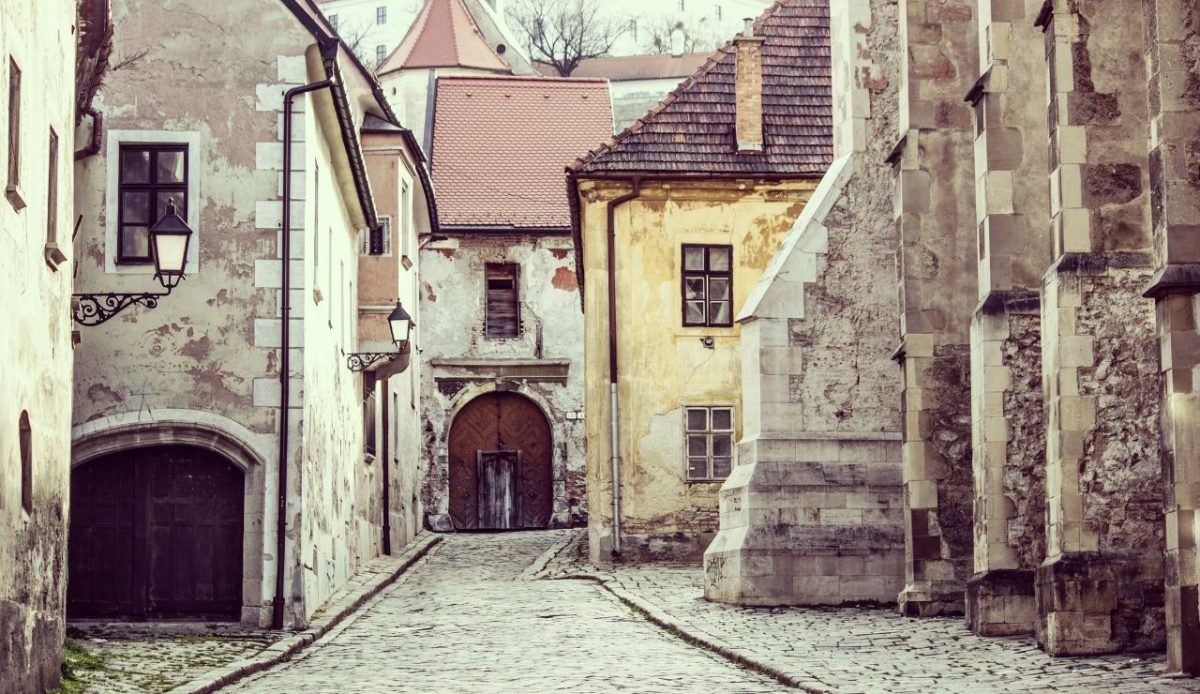
Bratislava’s Old Town gives visitors a direct look at the city’s past through narrow lanes, small squares, and restored buildings that now hold cafés and shops. Most of the area stays pedestrian, so walking feels simple and safe even for those who arrive without a set plan. Signs appear often enough to help visitors move between landmarks like the Old Town Hall, Main Square, and nearby courtyards. Guided tours support travelers who want more context, though independent walking also works well due to the compact layout. Evening hours stay comfortable because streets remain active without large crowds. With key sites close together, visitors can cover several highlights in a short time.
2. See Bratislava Castle
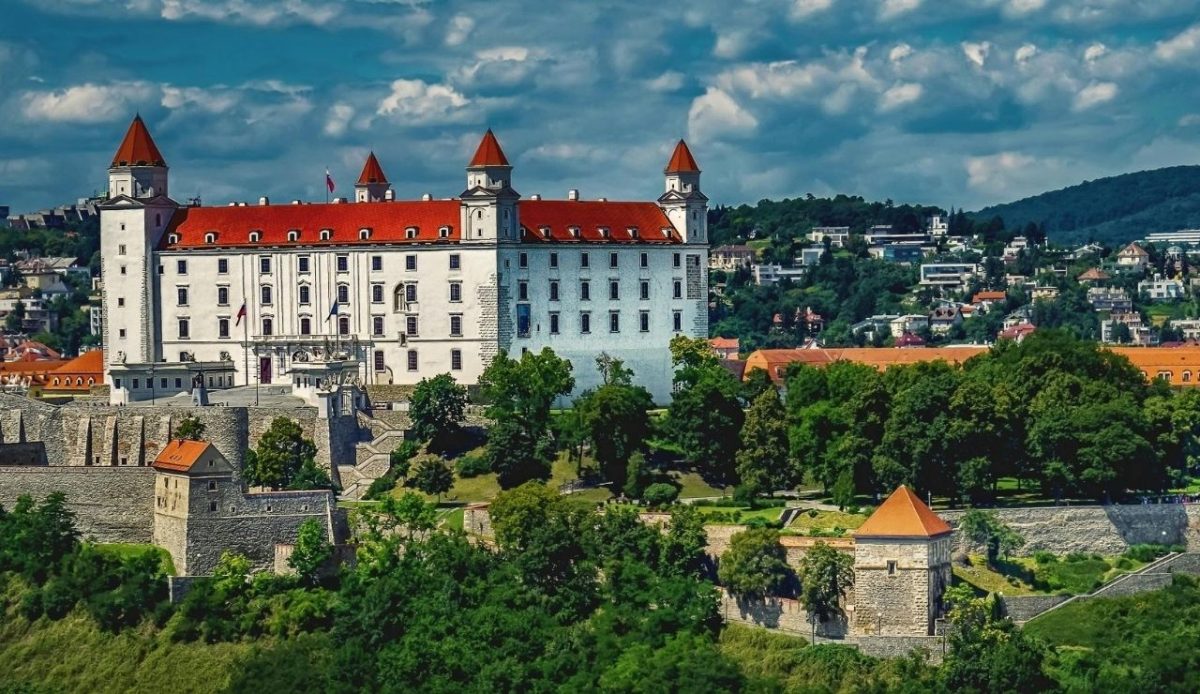
Bratislava Castle overlooks the city from a wide hill and gives visitors steady views of the river and Old Town. The museum inside offers organized exhibits that move through regional history without overwhelming guests. Outside, open courtyards and garden areas provide space for photos and quick breaks. Reaching the site is simple using public transport or a short walk from the center. Families appreciate the spacious grounds, and benches help those who prefer a slower pace. Clear signs guide visitors through the galleries. Many travelers use the viewpoint to plan the rest of their day because the hill shows how different parts of the city connect.
3. Visit Devin Castle
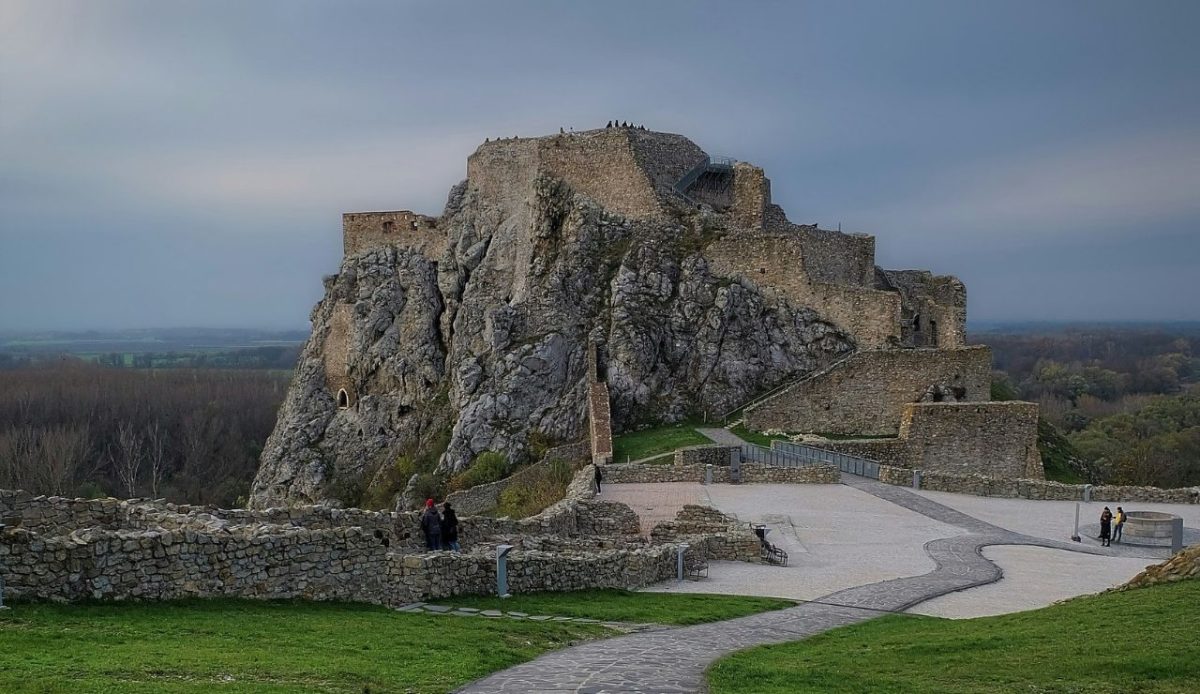
Devin Castle stands above the meeting point of the Danube and Morava rivers, giving visitors an easy way to combine scenery and history. The site includes old walls, towers, and lookout points reached through paths that vary in steepness. Short signs explain how the area once worked as a defensive position and later as a controlled border zone. The grounds spread widely, allowing visitors to move at their own pace with shaded areas available on warm days. Nearby river paths and small snack stops let travelers extend their outing without extra planning. The setting works well for half-day trips and offers a quieter atmosphere than central attractions.
4. Go to the UFO Tower
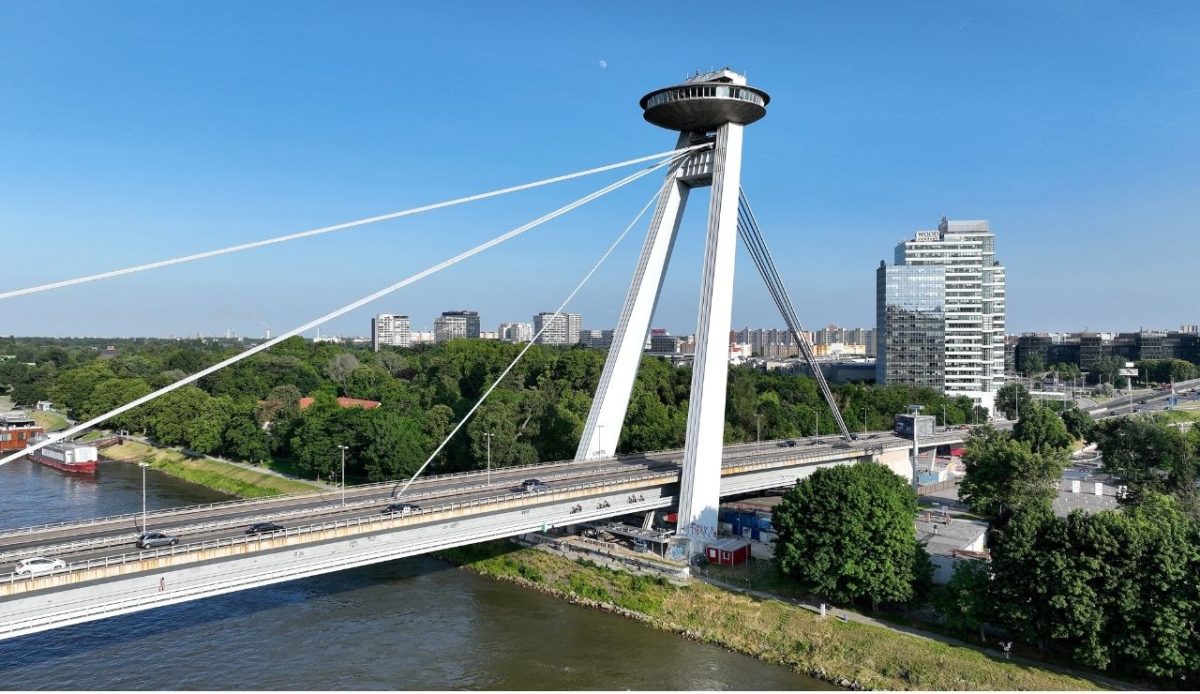
The UFO Tower helps visitors understand the city layout in a short amount of time. An elevator brings guests to a viewing platform where the castle, river, and newer districts are visible from several angles. The platform has secure railings and marked paths that support safe movement. A restaurant on the same level gives travelers a chance to sit and take in the surroundings. Because the visit does not require long walking or complicated routes, many people fit it between other plans. Evening views offer a different look at the city as bridges and streets light up. Staff manage entry during busy hours to prevent crowding.
5. Check Out the Blue Church
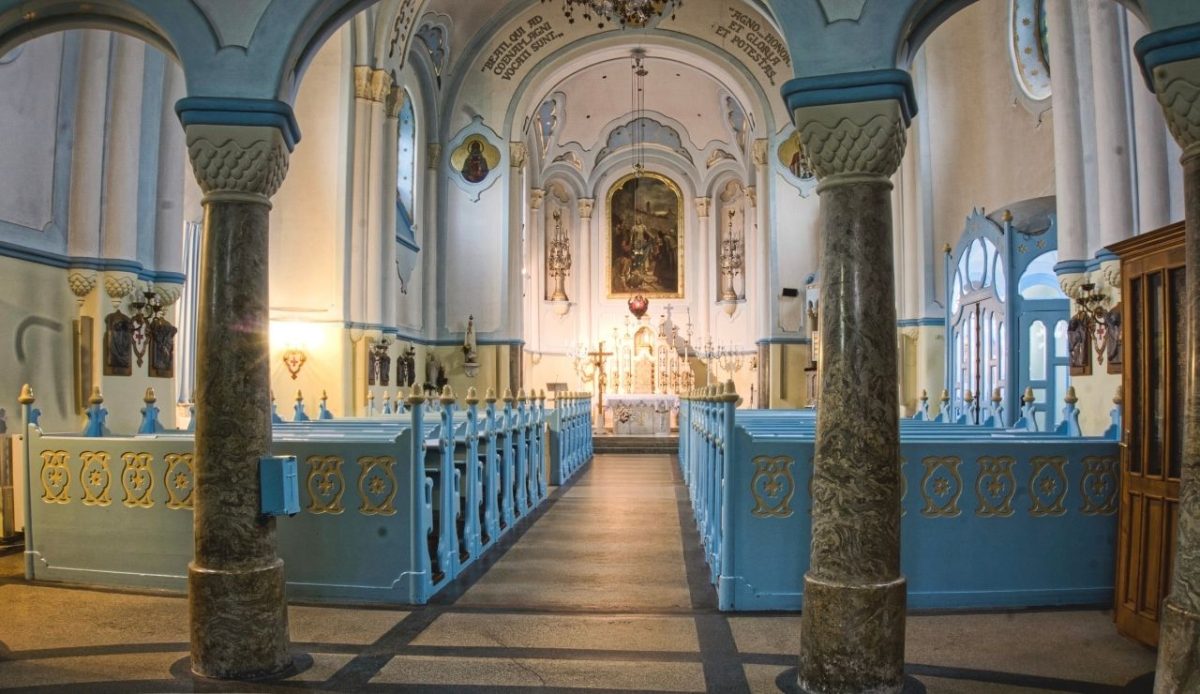
The Blue Church serves as a quick and recognizable stop along a simple walking route east of the Old Town. Its color and rounded tower stand apart from nearby residential blocks, making it one of the easiest landmarks to identify. The interior remains modest and calm, so most visits stay brief. Travelers often include the church while moving between nearby streets or heading toward the river. Paths around the building allow visitors to see the structure from several angles without needing extra time. Because it sits slightly away from the busiest areas, the stop offers a slower moment during a day of sightseeing.
6. Find the Funny Street Statues
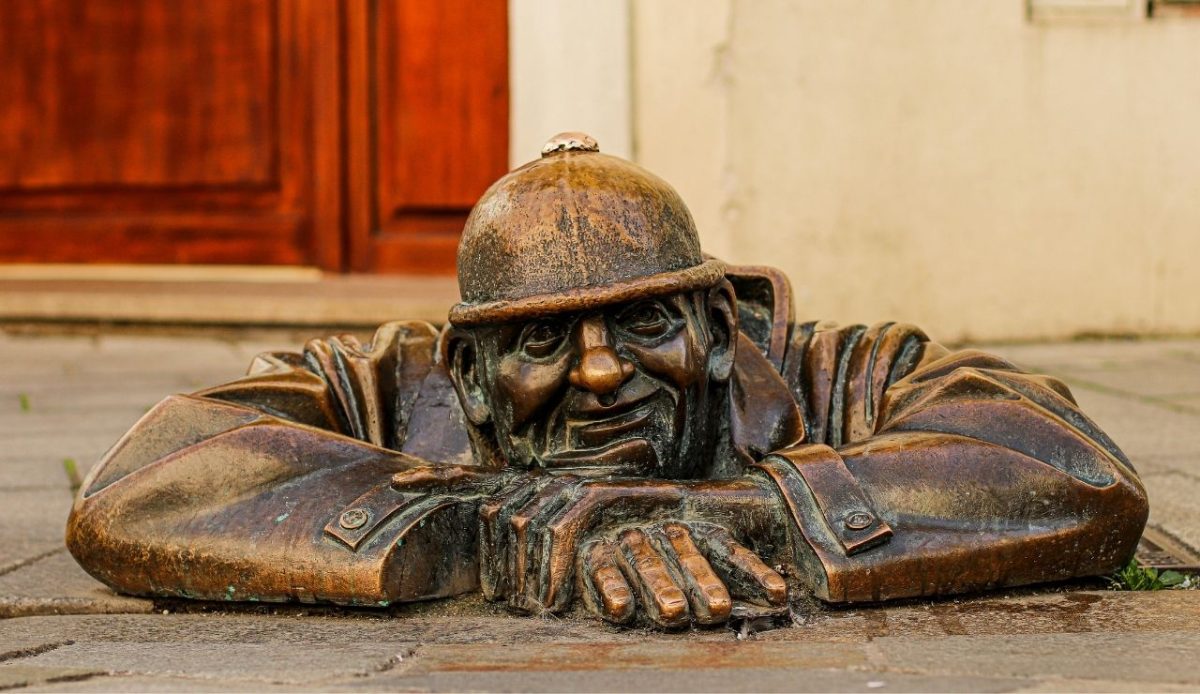
Bratislava’s street statues add light breaks throughout city walks. The most familiar figure is Čumil, positioned low to the ground near a busy corner. Other pieces, such as Napoleon’s Soldier and Schöne Náci, appear in nearby lanes. Visitors often treat these stops as small checkpoints on their route, since each one takes only a few minutes to view. The statues stand close to shops and cafés, so they fit naturally into a regular walking plan. Families like these stops because children can interact with the figures safely. These small art pieces also help visitors notice details of the surrounding streets they might otherwise pass quickly.
7. Walk Through Michael’s Gate
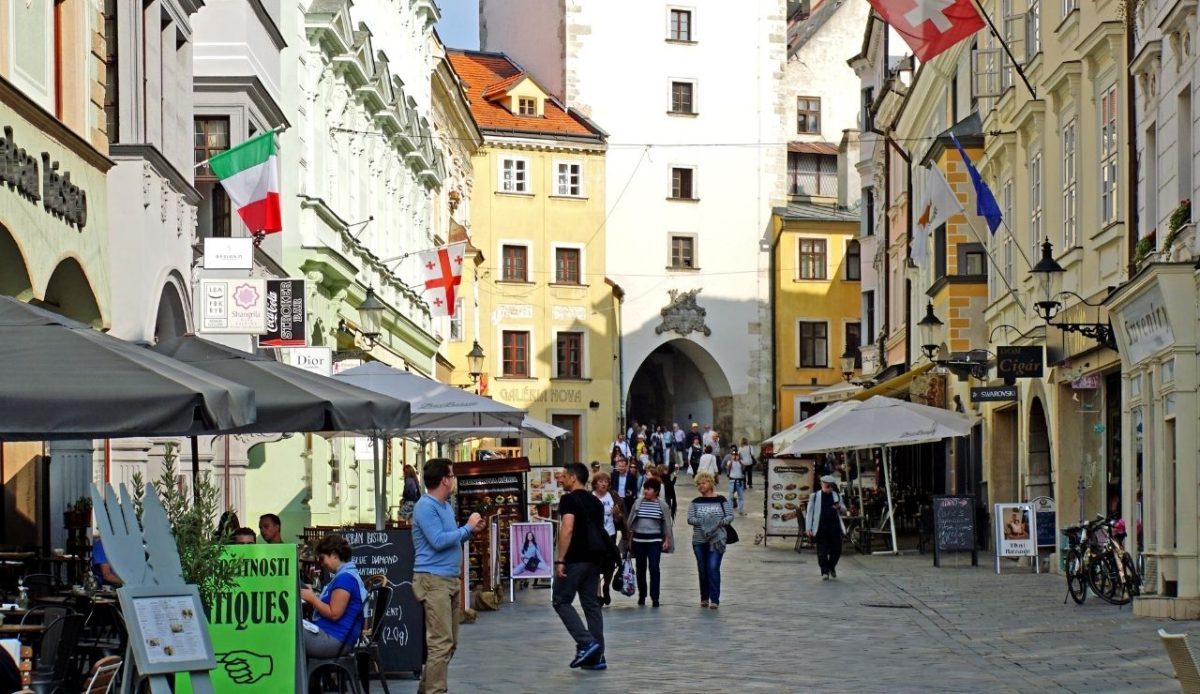
Michael’s Gate offers a clear entry into the historical core and connects directly to a busy street lined with cafés and stores. Visitors who climb the tower see a compact museum section and a viewing point with simple angles over the rooftops. The interior remains manageable even on busier days because groups move through quickly. The base of the tower often sees steady foot traffic, which helps travelers orient themselves. Because of its central position, many visitors pass the gate more than once during their stay. The nearby shops and open seating make this a reliable point to pause while exploring the Old Town.
8. Relax by the Danube River
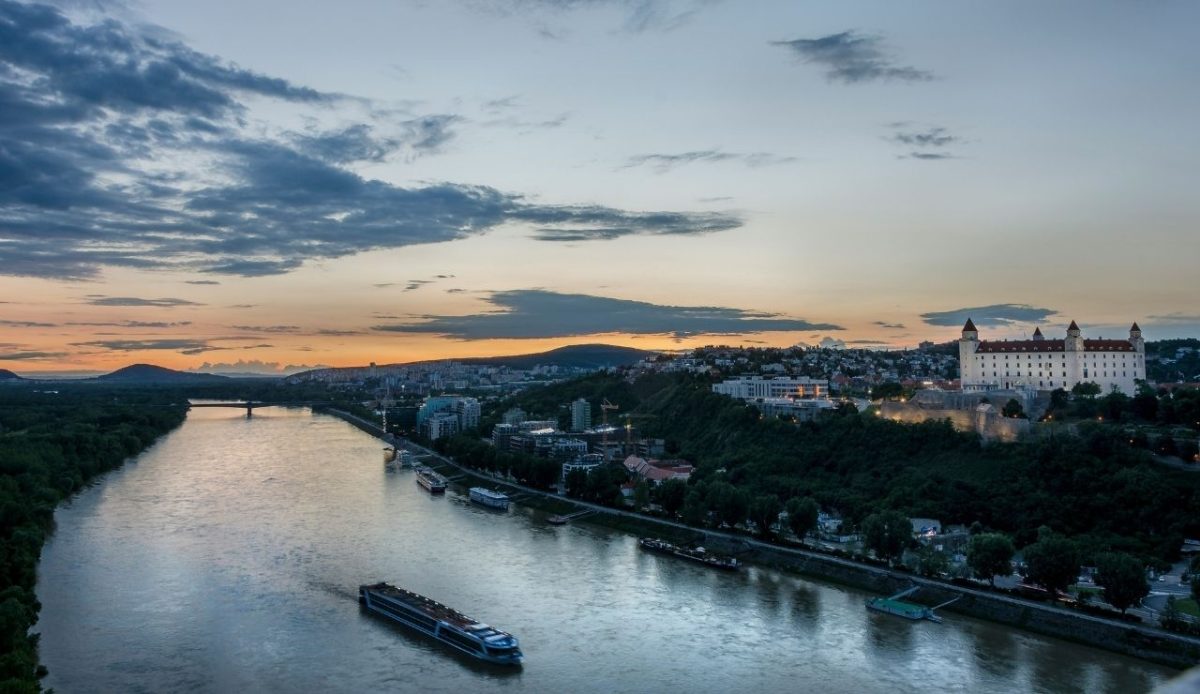
The riverfront gives travelers a calm area to walk or rest close to the center. Long paved paths follow the water, with benches placed at intervals for breaks. Cafés open terraces during warm months, making the area active without feeling crowded. Visitors enjoy watching boats move along the river or using the walkway as a direct route to parks and cruise docks. Evening visits remain popular because lights reflect off the water, creating a steady and pleasant setting. The path stays safe and well-maintained, supporting both solo travelers and families. Its accessibility makes it one of the city’s easiest outdoor spaces to enjoy.
9. Visit the Slovak National Theatre
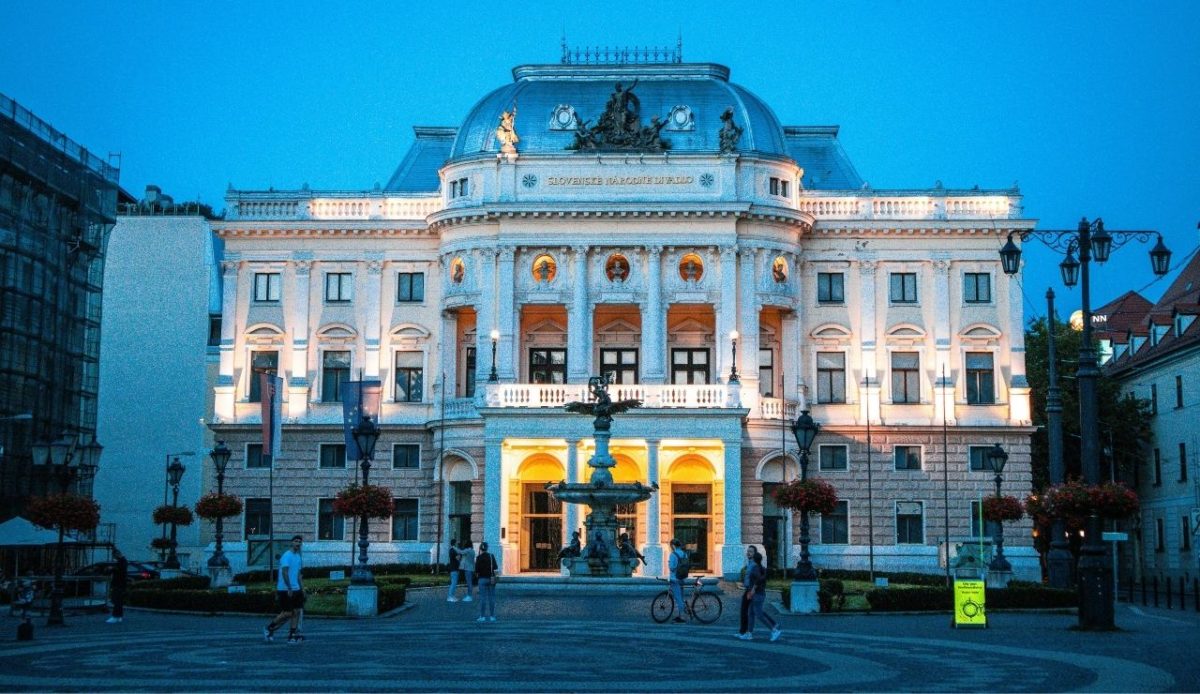
The Slovak National Theatre offers opera, ballet, and stage performances in a building located at the edge of Hviezdoslav Square. Tickets stay easy to purchase, and staff guide visitors to their seats without delay. The interior feels organized, with clear signs and efficient entry. Many travelers plan a meal nearby before attending a show, since restaurants in the square remain busy in the evening. Some visitors stop only to see the exterior and fountains because of the building’s central position. Dress expectations remain relaxed, so first-time guests feel comfortable attending. The square stays bright after performances, making it simple to walk back toward hotels or tram stops.
10. Explore Danubiana Art Museum
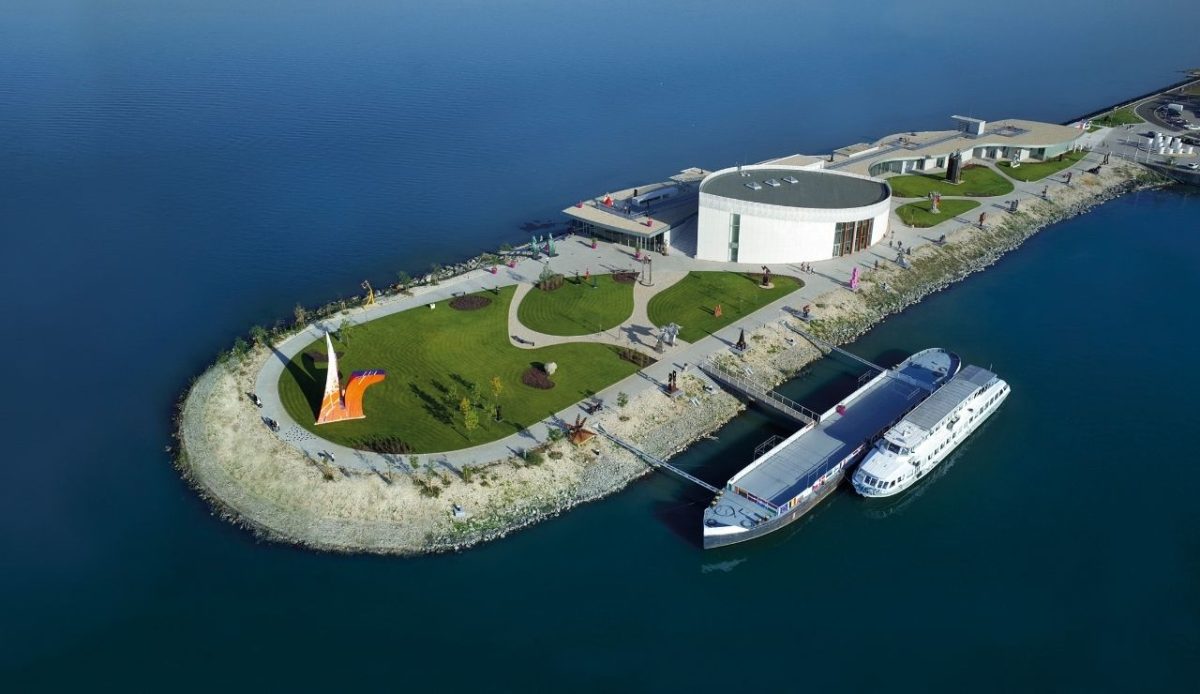
Danubiana Art Museum stands on a peninsula and gives visitors a mix of indoor galleries and outdoor sculptures. The open layout and large windows create steady light, making it easy to move through exhibitions at a slow or fast pace. Outdoor paths circle the edge of the site, giving unobstructed water views. Reaching the museum requires a short bus ride or car trip, but the distance helps keep the atmosphere quiet. A small café provides a place to rest between galleries. Families appreciate the outdoor space, which allows children to walk freely while adults focus on individual pieces. The setting makes the museum feel like a full outing rather than a brief stop.
