
Rome’s dining culture is built on familiarity, consistency, and respect for tradition. Locals often prefer small trattorias and family-run kitchens where recipes remain unchanged for generations. The focus is on seasonal ingredients, regional wines, and dishes that taste exactly as they should: simple, balanced, and satisfying. Neighborhoods such as Trastevere, Testaccio, and Monti are known for preserving that authentic flavor, while newer areas like Ostiense and Appio-Latino bring a modern edge without losing touch with heritage. Across the city, you’ll find that Rome’s food scene is not about show but about trust, where residents value quality, warmth, and the feeling of a genuine meal served with care.
1. Da Enzo al 29, Trastevere
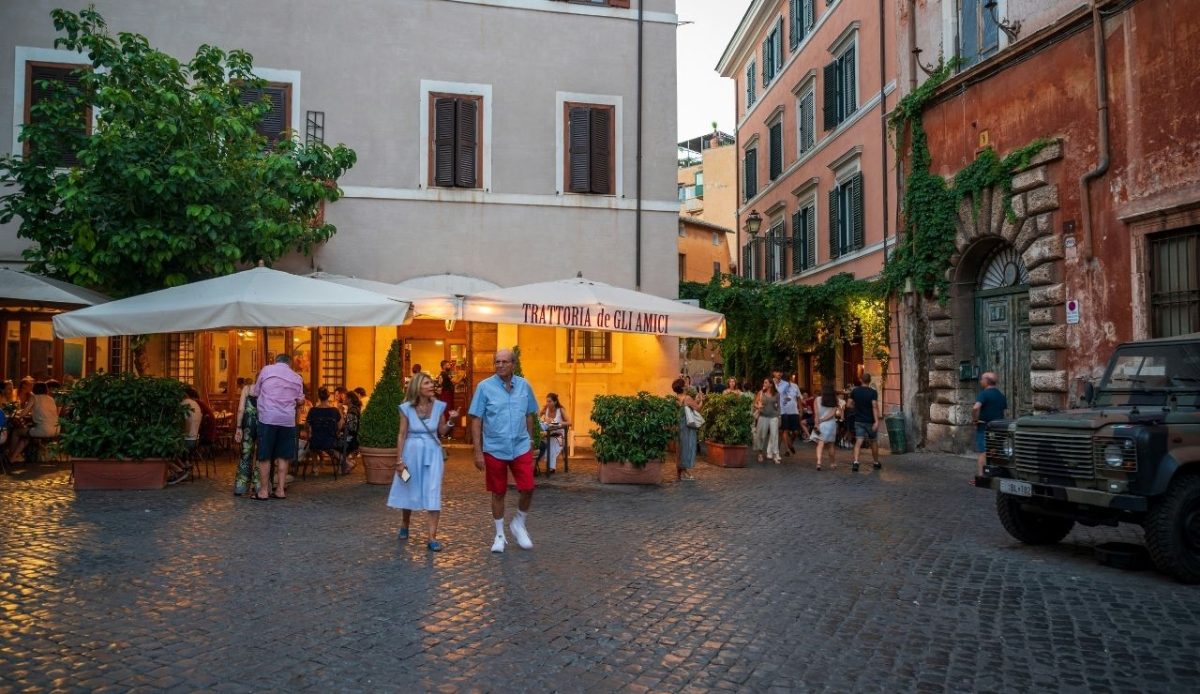
Da Enzo al 29 is often named by locals when asked where to find the best Roman pasta. Located in Trastevere, this compact trattoria serves authentic dishes such as carbonara, cacio e pepe, and fried artichokes prepared in the traditional Jewish style. The focus remains on simple recipes made with seasonal produce and quality cheese from local farms. Visitors describe the service as efficient and friendly, with reasonable prices compared to nearby tourist restaurants. Arriving early is advised since the restaurant does not take reservations at peak times.
2. Roscioli Salumeria con Cucina, Centro Storico
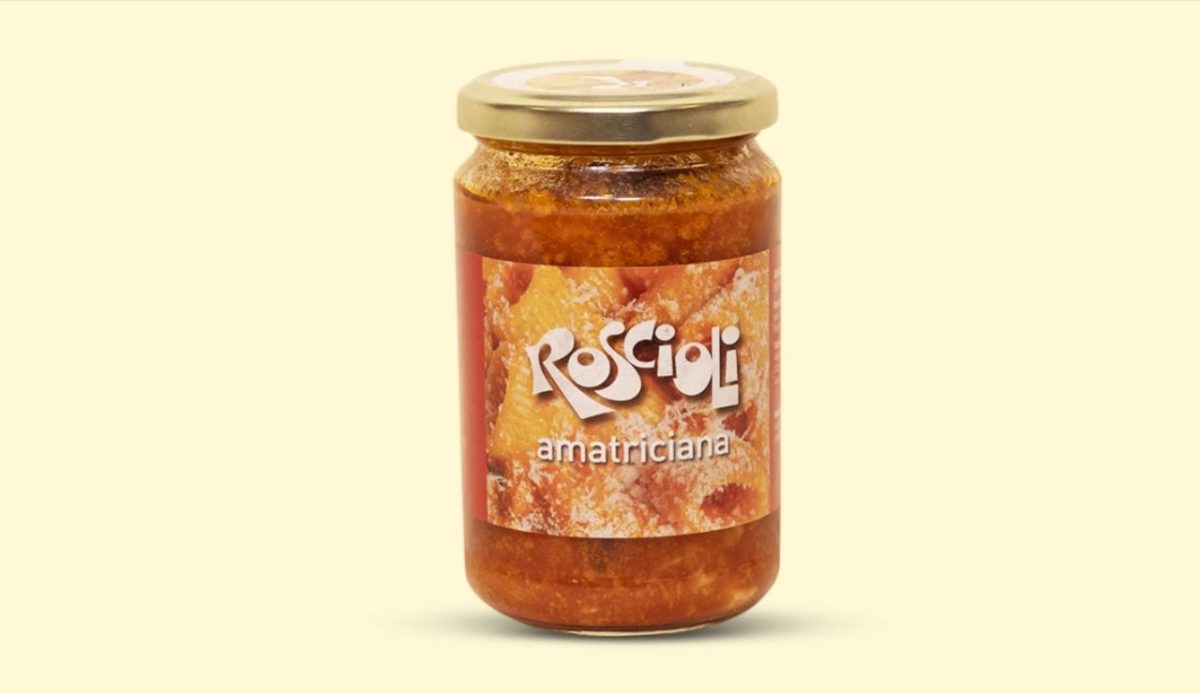
Roscioli combines a deli, wine bar, and restaurant in one narrow space just off Campo de’ Fiori. The shelves display aged meats, cheeses, and imported wines, while the kitchen prepares refined versions of Roman staples. Dishes such as amatriciana and gricia receive consistent praise for precision and balance. Locals often drop in for quick lunches or book tables weeks ahead for dinner. The restaurant’s reputation among food writers and residents alike makes it a solid benchmark for understanding modern Roman dining rooted in classic flavors.
3. SantoPalato, Appio-Latino
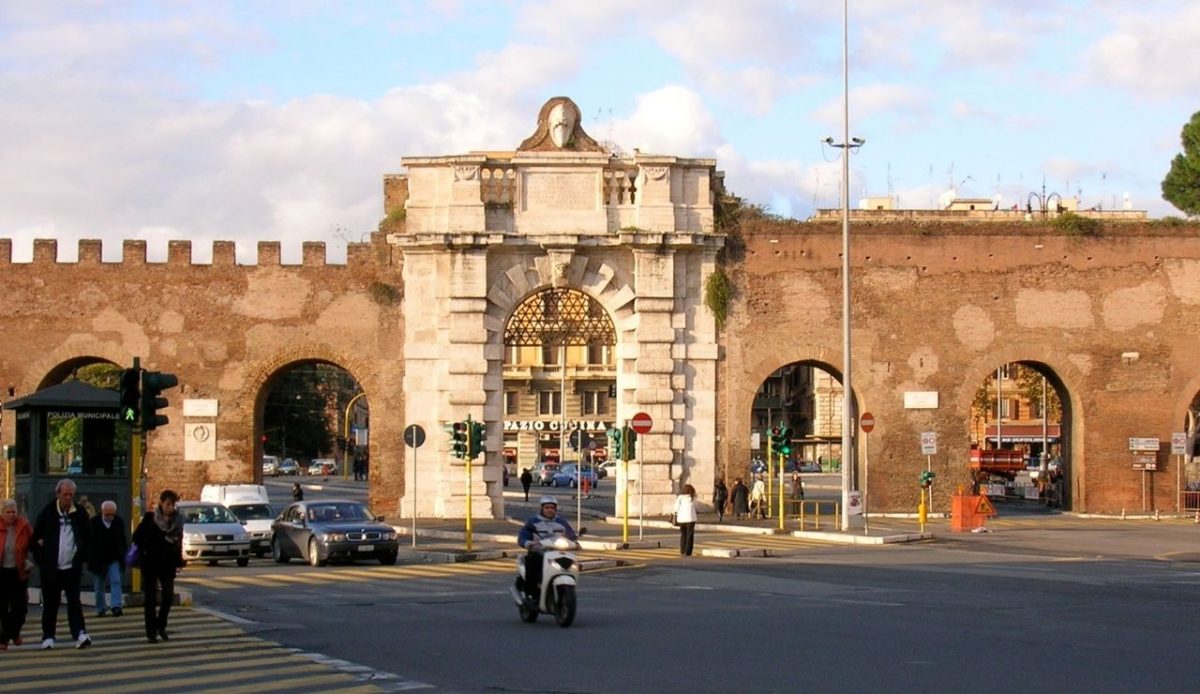
SantoPalato reflects the current direction of Roman cuisine by keeping traditional roots while introducing better sourcing and cleaner techniques. Run by chef Sarah Cicolini, it specializes in heritage recipes like trippa alla romana and rigatoni alla pajata, prepared with traceable ingredients from small producers. The restaurant attracts younger locals and chefs interested in regional cooking done without shortcuts. The atmosphere is straightforward, and the pricing is fair for the quality. Reservations are recommended, as seating is limited and often full at lunch and dinner.
4. Piatto Romano, Testaccio
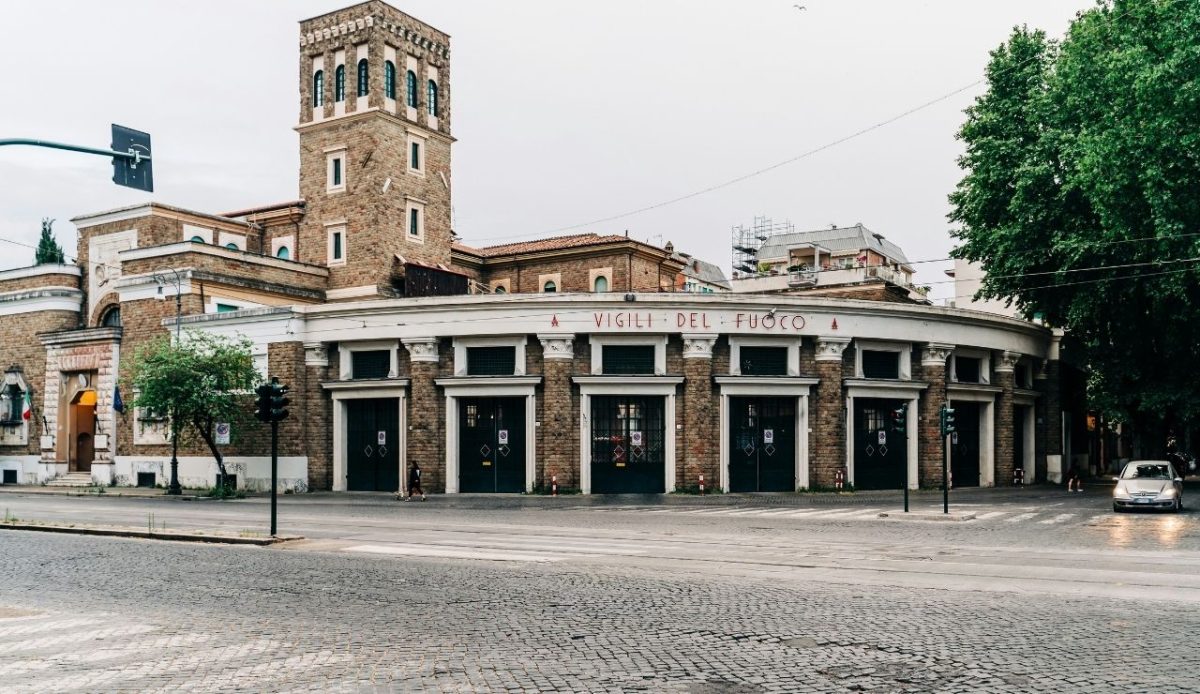
Piatto Romano sits in Testaccio, an area long recognized as the heart of authentic Roman cooking. The restaurant emphasizes local produce and seasonal menus, highlighting dishes such as fiori di zucca and oxtail stew. Regular customers appreciate the balance between affordability and quality, noting that the kitchen relies on regional suppliers for olive oil and vegetables. The dining room is plain but comfortable, attracting a lunch crowd of nearby workers and evening groups seeking traditional food away from the city center.
5. Antico Forno Roscioli, Campo de’ Fiori
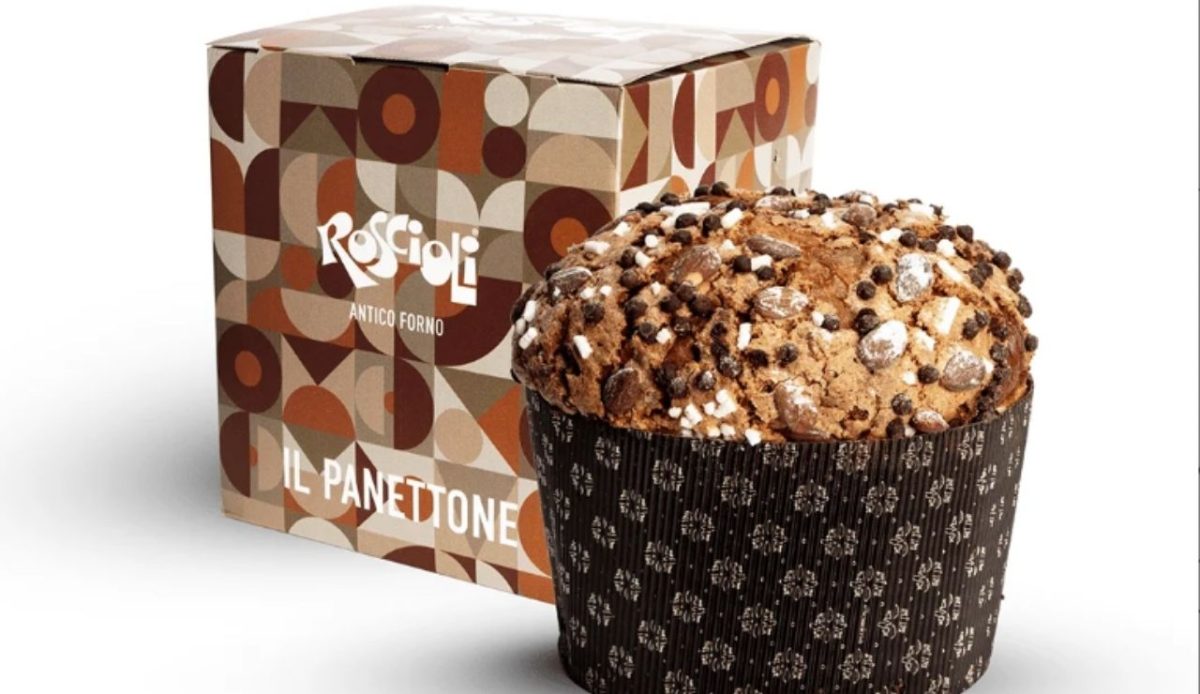
This bakery is one of the most reliable spots in the city for fresh bread and pizza by the slice. Located just steps from Campo de’ Fiori, Antico Forno Roscioli opens early and serves locals heading to work. The pizza bianca is especially popular, often sold out by midday. Visitors also praise the light focaccia and sweet pastries, which reflect the same attention to detail as the Roscioli restaurant nearby. It remains a convenient option for travelers wanting a quick, inexpensive taste of local flavor without a formal meal.
6. Barred, Ostiense
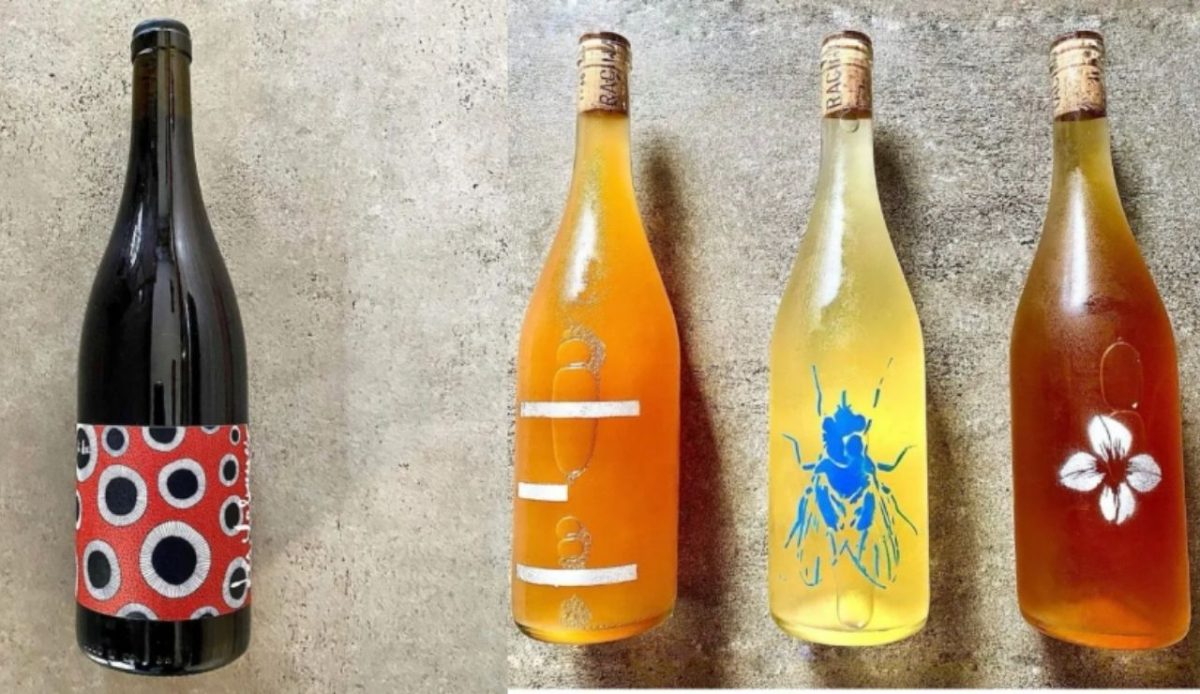
Barred is a modern restaurant in the Ostiense district run by two brothers, Mirko and Tiziano. The menu changes frequently but stays focused on regional ingredients prepared with simple precision. The kitchen offers a few pasta dishes, seafood plates, and a rotating selection of natural wines. Locals value its straightforward approach and fair pricing, often describing it as an easy neighborhood choice rather than a tourist stop. The space is minimalist and informal, making it a practical option for dinner in a less crowded part of Rome.
7. Enoteca L’Antidoto, Trastevere
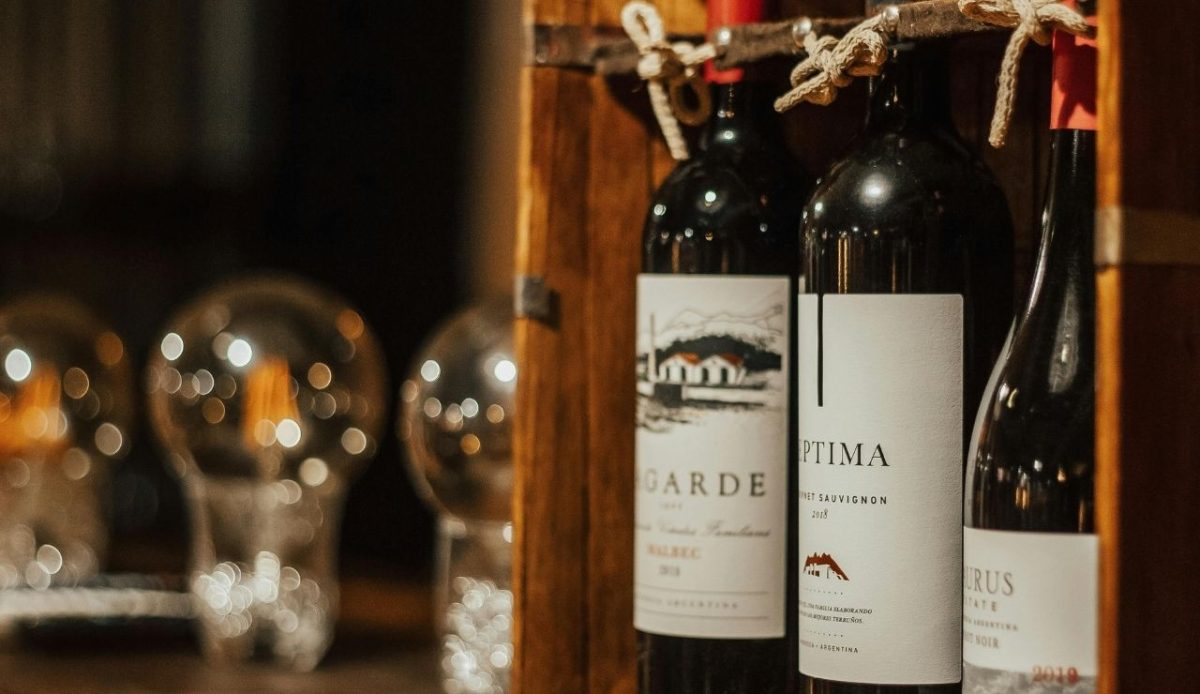
Enoteca L’Antidoto functions as a small wine bar with a menu of shared plates that pair with Italian and European natural wines. Its appeal lies in knowledgeable staff who recommend pairings based on seasonal availability. Locals appreciate the relaxed setup, especially for early evening gatherings or casual weekend nights. The food leans toward cured meats, cheeses, and vegetables prepared simply. It provides an alternative to heavy meals while maintaining the quality and freshness expected by Trastevere residents.
8. 180 Grammi Pizzeria Romana, Centocelle
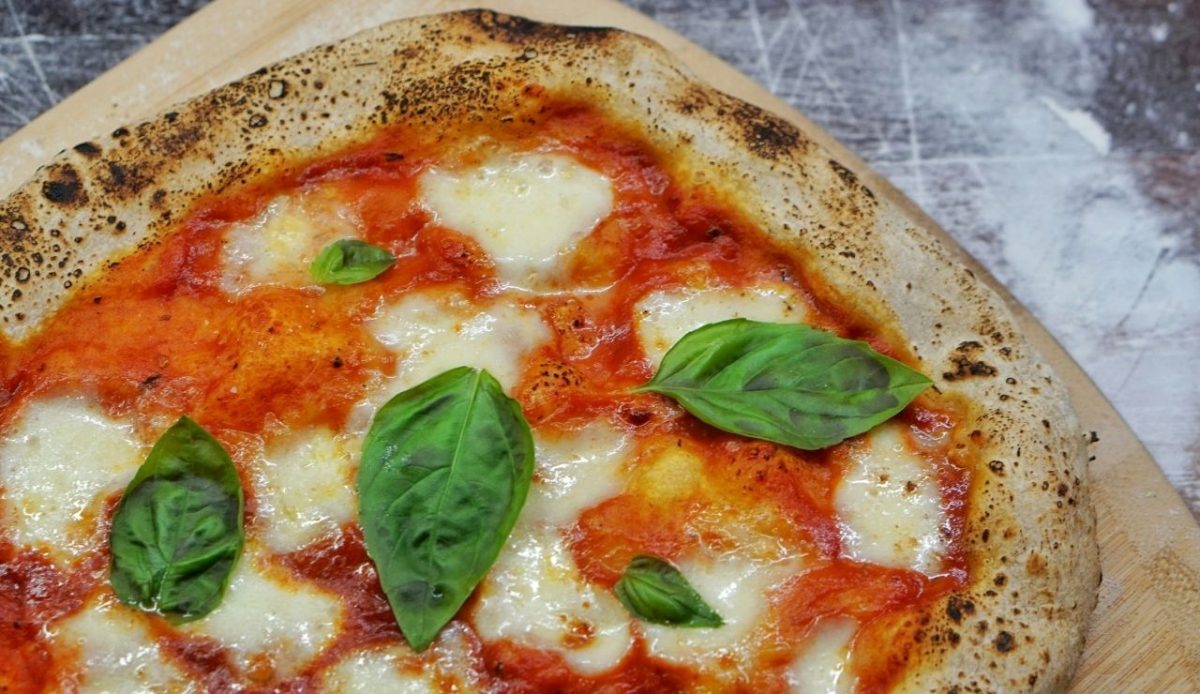
Located in the Centocelle district, 180 Grammi specializes in thin Roman-style pizza with crisp texture and balanced toppings. The pizzeria has built a strong following among locals who consider it one of the best in the city for this style. Popular options include margherita, diavola, and seasonal white pizzas topped with zucchini or artichokes. Service is fast, and prices remain reasonable compared to the city center. Reviewers often highlight the consistent baking technique and clean flavors that make it a dependable neighborhood favorite.
9. Circoletto, Circo Massimo
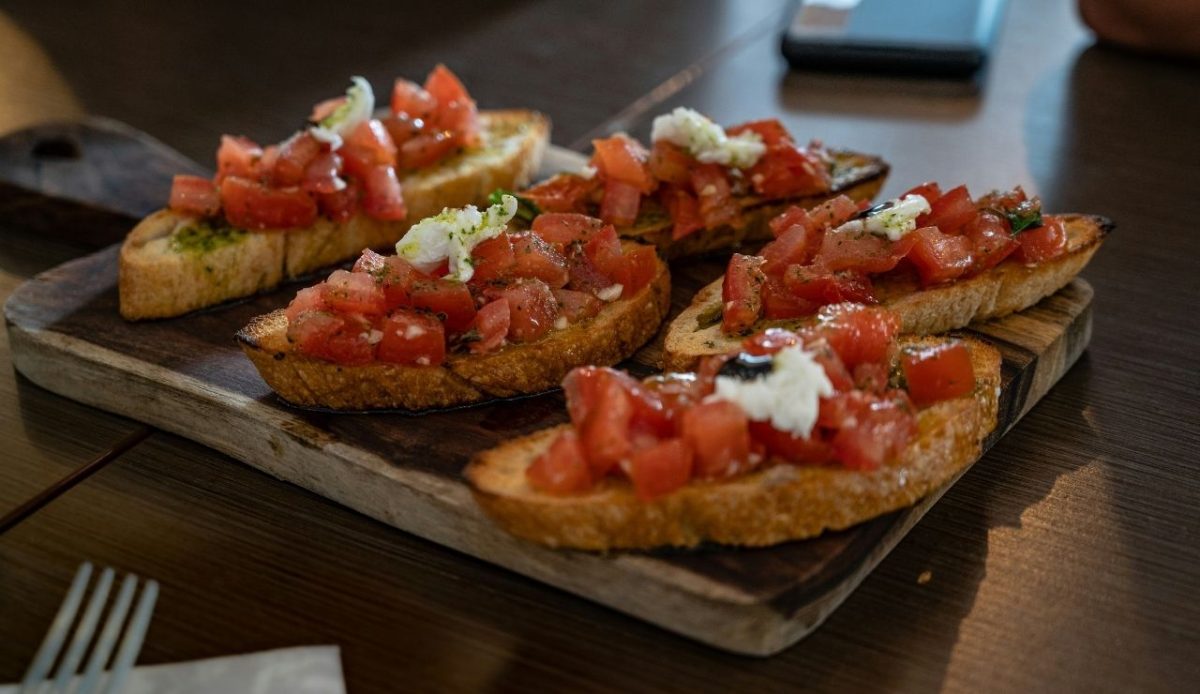
Circoletto sits near the ancient Circus Maximus and draws a steady local crowd for casual dining and aperitivo. The restaurant focuses on small seasonal dishes such as bruschetta, salads, and pasta made from local wheat. It also serves a wide selection of natural wines and regional beers. The atmosphere is informal, often busy in the evenings when residents stop by after work. Its location makes it a convenient stop between sightseeing spots, while the prices remain moderate compared to central tourist areas.
10. La Campana, Centro Storico
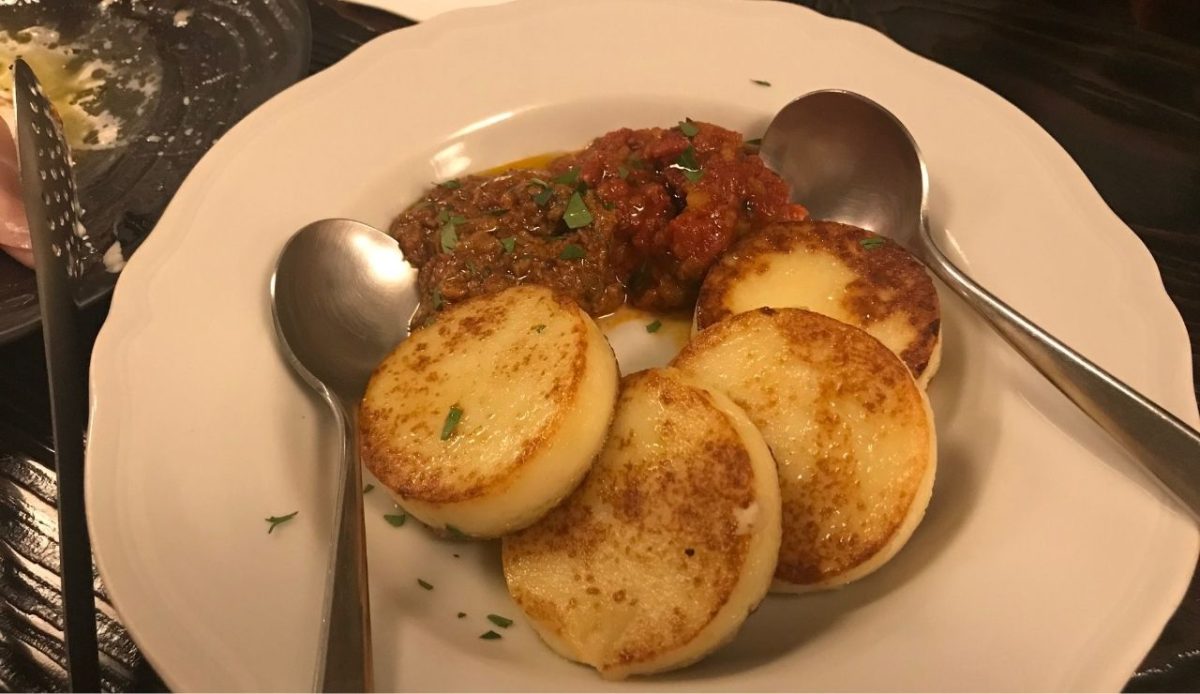
La Campana is recognized as one of Rome’s oldest continuously operating restaurants, with records tracing back to the sixteenth century. The menu stays loyal to Roman tradition, featuring gnocchi alla romana, veal saltimbocca, and abbacchio al forno. Many families from the area dine here regularly, which helps the restaurant maintain consistent standards despite its fame. The space feels classic rather than formal, and staff are known for explaining local ingredients to visitors. It remains a reliable choice for traditional dining in the historic center.
