
American road trips are getting another boost in 2026, but the routes gaining the most attention are not all the usual coast-to-coast classics. Some are rising because of milestone anniversaries, some because long-disrupted access has returned, and others because travelers are leaning harder into scenic drives shaped around parks, small towns, and flexible stopovers.
That mix is pushing certain routes higher on wish lists this year. Instead of focusing only on the most famous highways, this article looks at the drives with fresh momentum right now.
Together, they show how road-trip demand is shifting toward routes that feel timely as well as scenic.
1. Route 66 From Chicago to Santa Monica

No American drive has a bigger built-in headline this year than Route 66. The highway turns 100 in 2026, and official centennial organizers are promoting commemorative journeys, exhibits, and events across all eight states on the route.
That anniversary alone is enough to pull first-time drivers and nostalgic return visitors back onto the Mother Road right now. It gives the trip a clear reason to happen this year instead of staying on a someday list.
What keeps the route current is its range, with diners, neon motels, desert stretches, cities, and historic small towns all feeding the experience.
2. Highway 1 Through Big Sur, California
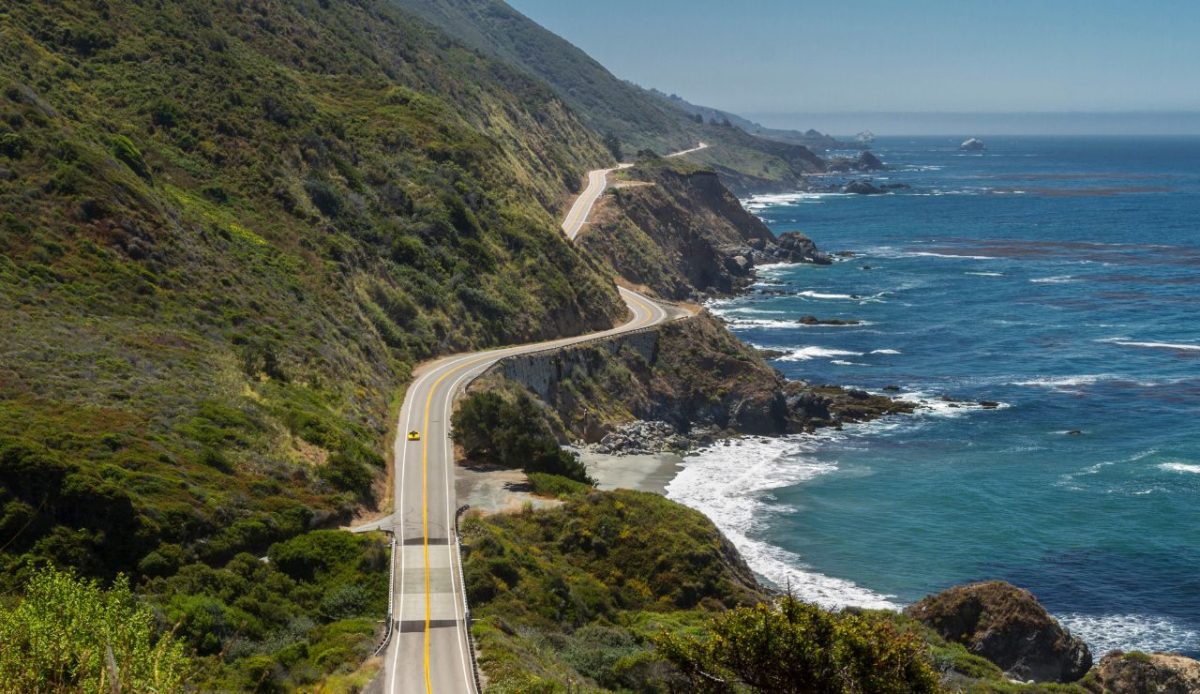
California’s most iconic coastal drive is surging again because full access through the Big Sur section returned in January 2026 after a long closure at Regent’s Slide. When a road this famous becomes easier to drive end to end again, pent-up demand tends to show up fast.
For many travelers, that makes this the year Highway 1 moves back onto the shortlist. The practical barrier that kept some people away has been removed, and that changes trip planning immediately.
The appeal is still the same: cliffside ocean views, redwood groves, dramatic bridges, and classic Central Coast stops rolled into one cinematic route.
3. Blue Ridge Parkway in Virginia and North Carolina
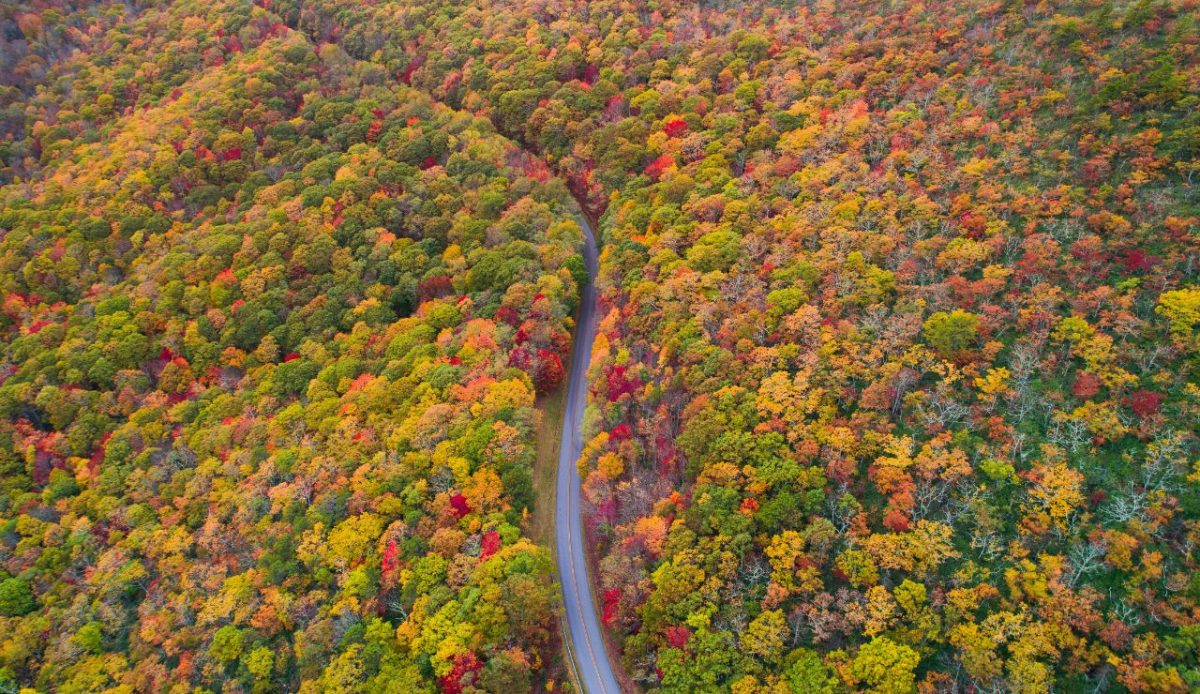
The Blue Ridge Parkway keeps rising because it fits several 2026 travel habits at once. It is slow, scenic, flexible, and easy to shape around overlooks, short hikes, mountain towns, and longer park stays.
The National Park Service describes it as a 469-mile drive connecting Shenandoah National Park and Great Smoky Mountains National Park, giving travelers two major anchors at either end. That built-in structure makes planning simpler than on many longer scenic roads.
Instead of one headline stop, the parkway delivers a steady sequence of ridgelines, pull-offs, and local detours, which is exactly why it keeps drawing fresh road-trip interest.
4. The Overseas Highway From Miami to Key West
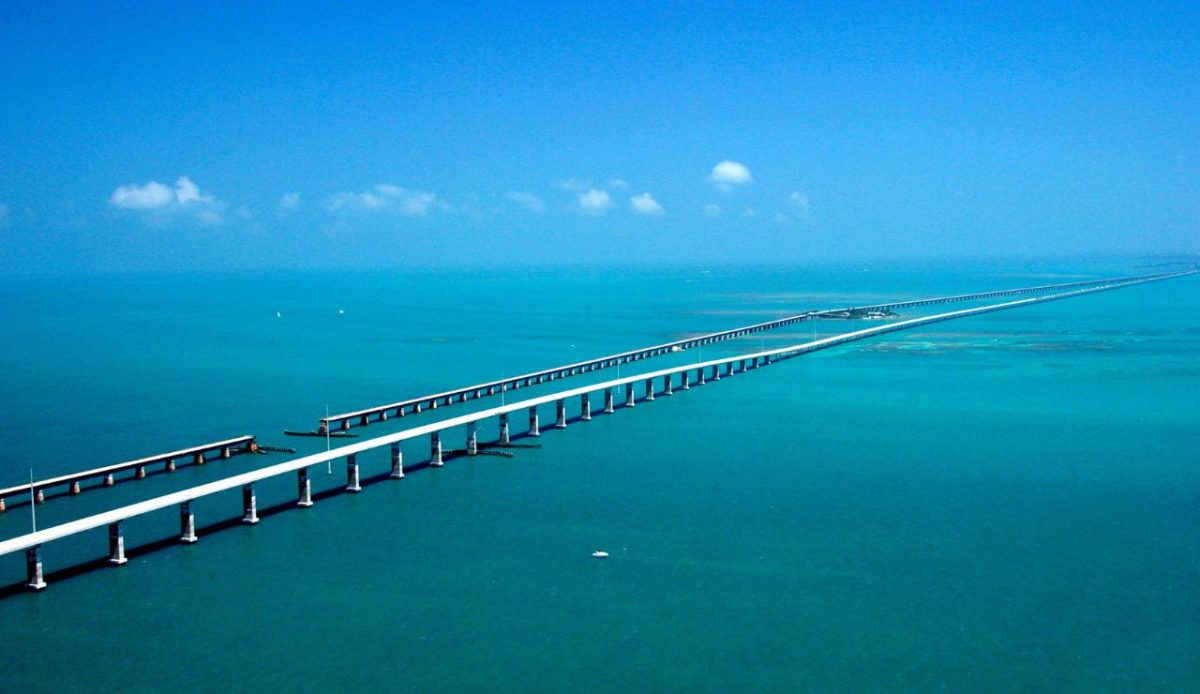
The Overseas Highway is having another moment because it delivers something many trending routes do not: a tropical-feeling drive that is simple to understand and relatively easy to complete. Florida Keys tourism describes it as a scenic journey of about 110 miles with 42 bridges.
Visit Florida notes the broader Miami-to-Key West drive typically takes around 3.5 to four hours, which makes it manageable even for a shorter getaway. That matters in a year when many travelers want strong scenery without a complicated plan.
Reef stops, seafood shacks, state parks, and old-Florida towns all fit naturally into the route, giving it a mix of convenience and escape that feels especially current.
5. The Great River Road From Minnesota to Louisiana
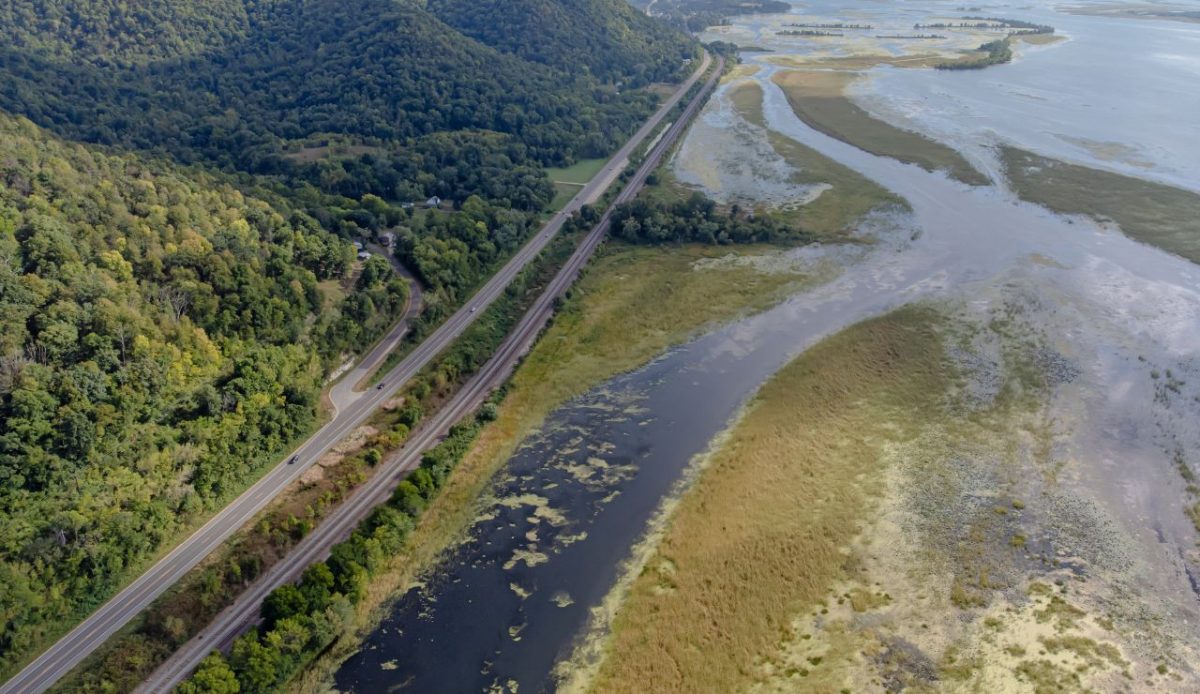
The Great River Road is gaining traction because it taps into the appetite for slower, deeper domestic travel. The Federal Highway Administration describes it as a 3,000-mile National Scenic Byway following the Mississippi River through 10 states and hundreds of river towns.
That scale lets travelers drive one stretch or build a much longer trip without losing the identity of the route. It works for people who want a weekend section just as well as those planning a bigger multi-state itinerary.
What makes it feel current is the balance of scenery and culture, with bluffs, wetlands, music heritage, and changing food traditions all unfolding as the river moves south.
6. Utah’s Mighty 5 Road Trip
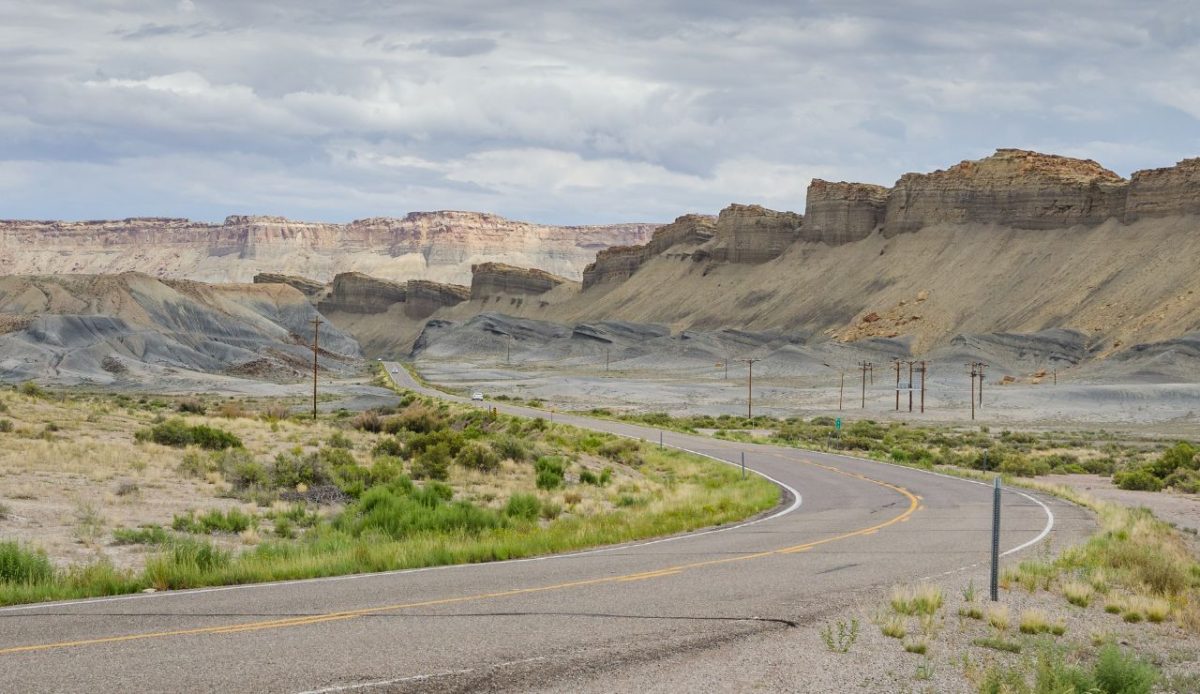
Utah’s Mighty 5 loop is benefiting from the simple fact that national parks remain one of the strongest domestic travel draws in 2026. AAA has listed U.S. national parks among its top domestic destination themes for the year.
Visit Utah also presents the Mighty 5 as a connected road-trip experience, which helps travelers see Zion, Bryce Canyon, Capitol Reef, Canyonlands, and Arches as one coherent trip rather than five separate park visits.
That framing matters because the route keeps changing character as you move through it. For travelers who want a high-impact drive with clear logistics, Utah still looks like an easy yes.
7. The Olympic Peninsula Loop in Washington
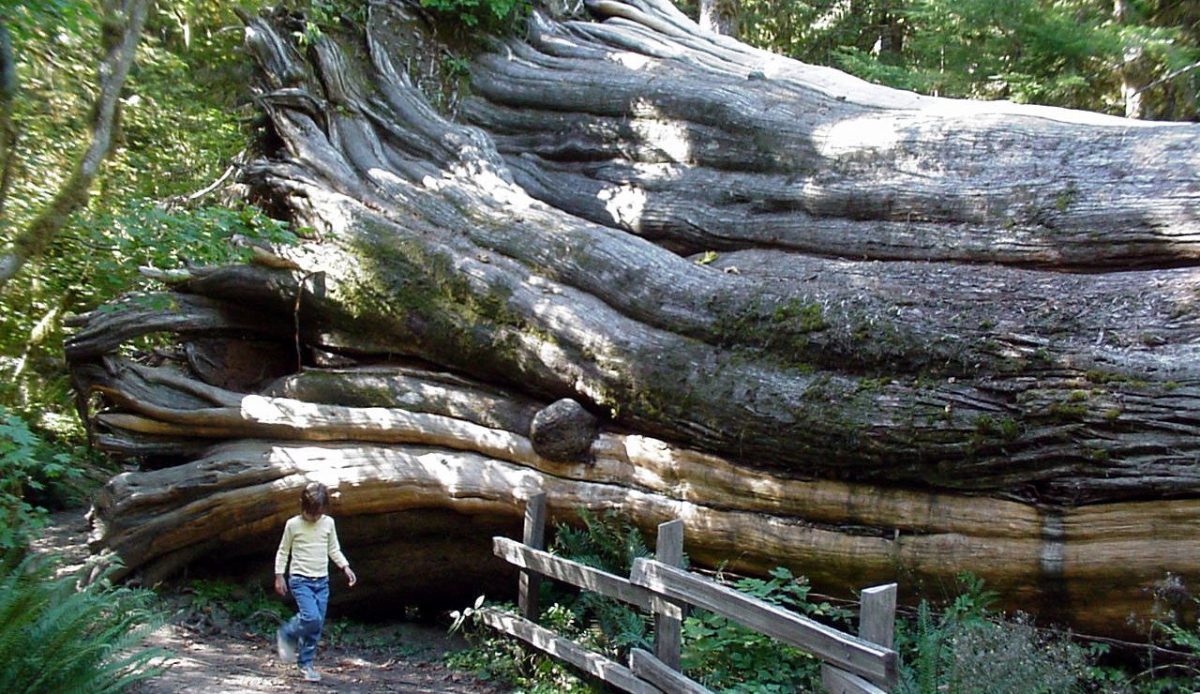
The Olympic Peninsula Loop is drawing more attention because it packs unusual range into one drive. The official tourism site highlights rain forests, rugged beaches, glaciers, waterfalls, and mountain scenery across a 300-mile loop.
That means travelers can build a road trip around very different landscapes without bouncing between multiple states or airports. It feels broad and varied while still remaining manageable on a normal vacation schedule.
That formula is landing well in 2026, when people want one itinerary to cover nature, food, small towns, and outdoor activity without turning the trip into a major logistical project.
8. The Acadia Coastal Drive in Maine

Maine’s Acadia route is rising because it combines two things travelers keep asking for: coast and national park access. Visit Maine describes the Acadia All-American Road as a 40-mile drive beginning on Route 3, moving onto Mount Desert Island, through Bar Harbor, and into Acadia National Park.
That compact layout makes it ideal for travelers who want a scenic road trip without a huge mileage count. It also gives the route a high reward-to-distance ratio, which is a big advantage for shorter domestic trips.
On this drive, the shift from village streets to rocky shoreline to protected park scenery happens quickly, helping the route feel dense with payoff from start to finish.
9. Natchez Trace Parkway From Tennessee to Mississippi
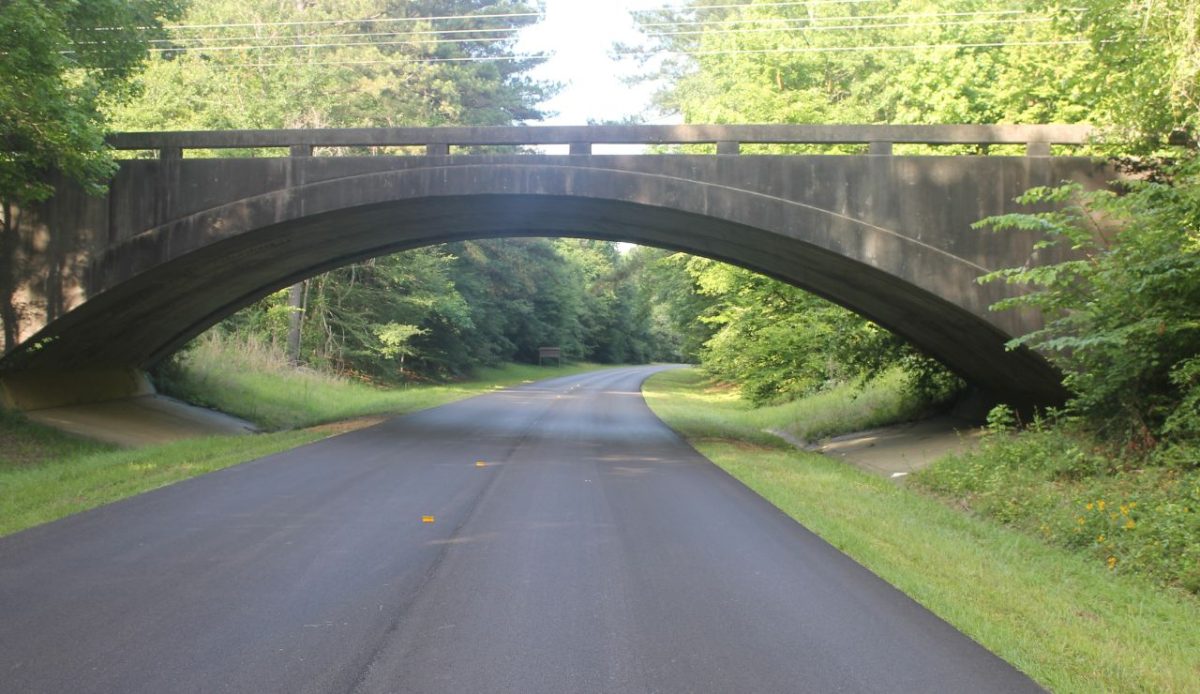
Natchez Trace Parkway benefits when travelers start valuing the drive itself again. The National Park Service describes it as a 444-mile recreational road through Tennessee, Alabama, and Mississippi, following a historic corridor used for centuries.
Because commercial traffic is limited, the parkway feels calmer than many better-known southern routes. That slower rhythm is part of the appeal, especially for travelers who want scenery without a nonstop commercial strip feeling.
It also matches current tastes well, blending forest views, historical sites, and manageable day-by-day pacing rather than constant attraction chasing.
10. The Black Hills and Badlands Scenic Loop in South Dakota
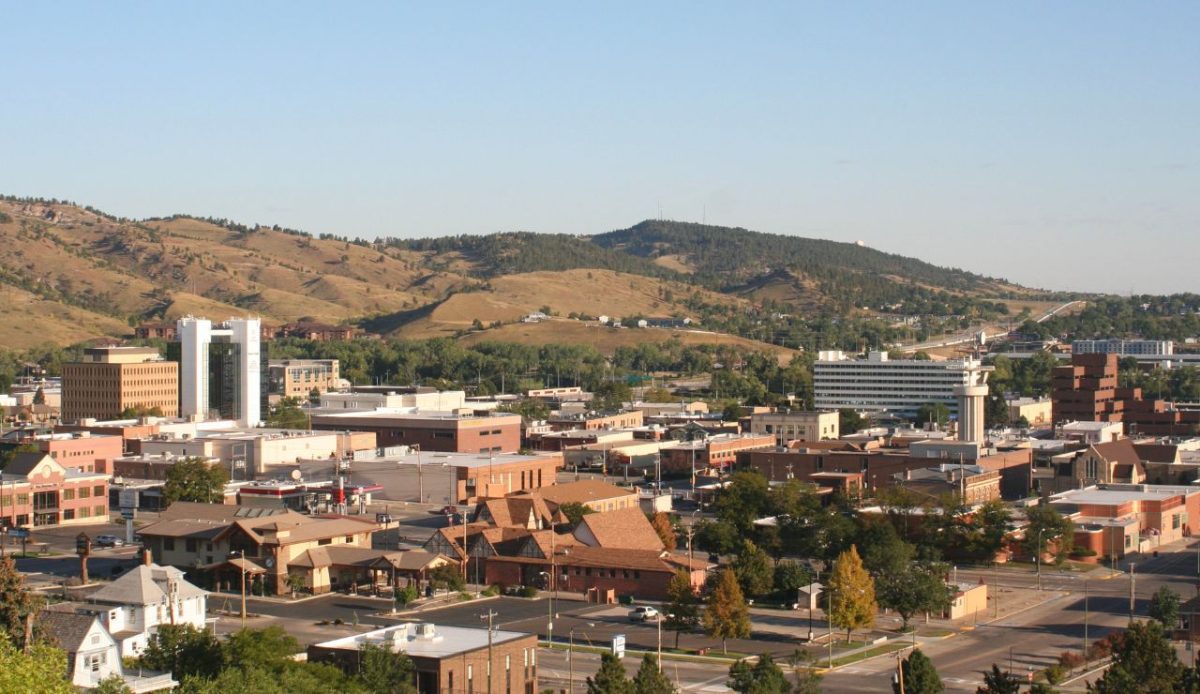
The Black Hills and Badlands region is getting road-trip attention because it offers multiple standout drives in one compact area. Regional tourism guidance highlights Needles Highway, Iron Mountain Road, Spearfish Canyon Scenic Byway, Wildlife Loop Road, and the Badlands Loop Road as distinct experiences.
That makes the area feel like a built-in road-trip system rather than a single stop. Travelers can move between granite tunnels, wildlife sightings, canyon scenery, and landmark stops without needing huge interstate days.
In a year when many people want efficient domestic trips that still feel visually big, the Black Hills and Badlands package is easy to picture and hard to ignore.
