
Economy tickets once included a predictable bundle, a carry-on, a chosen seat, boarding that still left bin space, and miles that counted toward elite progress, with at least some ability to adjust plans.
Now, many U.S. airlines sell the lowest fare inside economy, branded Basic Economy, Saver, or Blue Basic, while offering a higher main cabin fare in the same cabin for more flexibility. The differences often appear only after a traveler opens the fare rules.
The cabin may look identical, yet the rules push value into paid extras and stricter policies on seating, boarding order, baggage size, standby options, and even whether a trip earns points or keeps a family seated together.
1. Loyalty Miles Removed On American Basic Economy
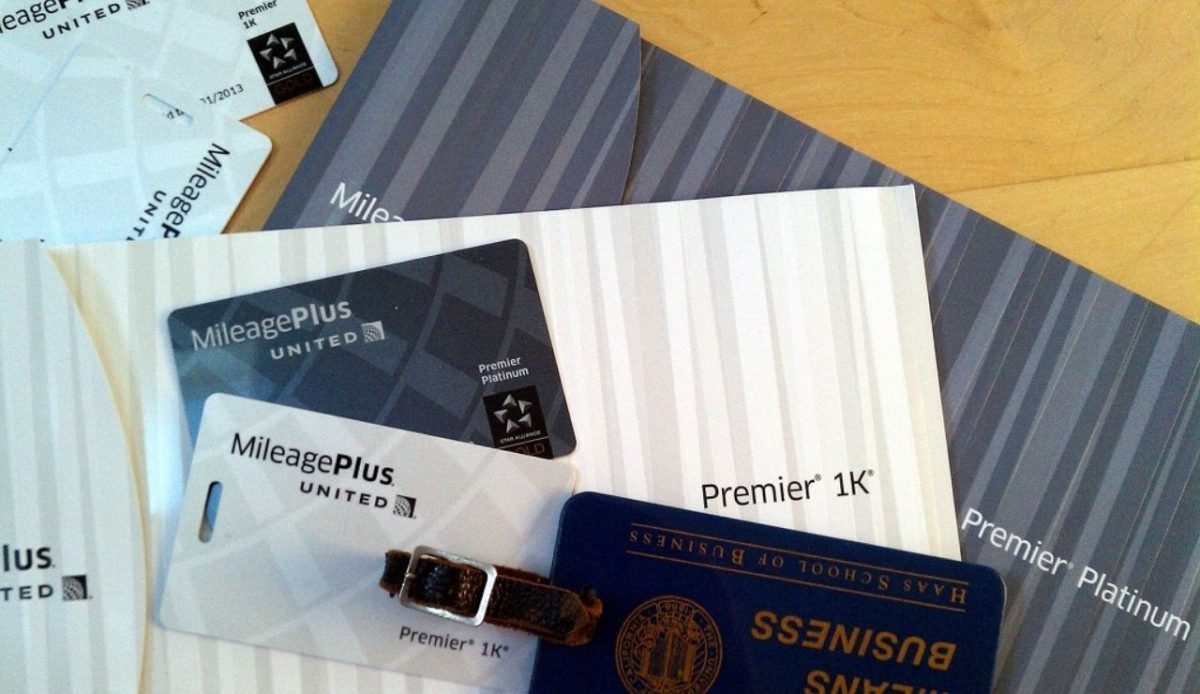
American Airlines changed Basic Economy earnings for tickets bought on or after December 17, 2025. Those fares no longer earn AAdvantage miles or Loyalty Points, even though the seat is in the same cabin as Main Cabin.
That shift removes a long-running habit where even bargain fares still helped build status over time. A traveler who flies often but shops for the lowest price may see slower progress toward elite tiers and fewer miles to use later.
Main Cabin still earns and follows different flexibility rules, so the decision is no longer only about comfort. It is also about whether the trip adds measurable overall value to the loyalty account.
2. No Mileage Or Status Credit On Delta Main Basic
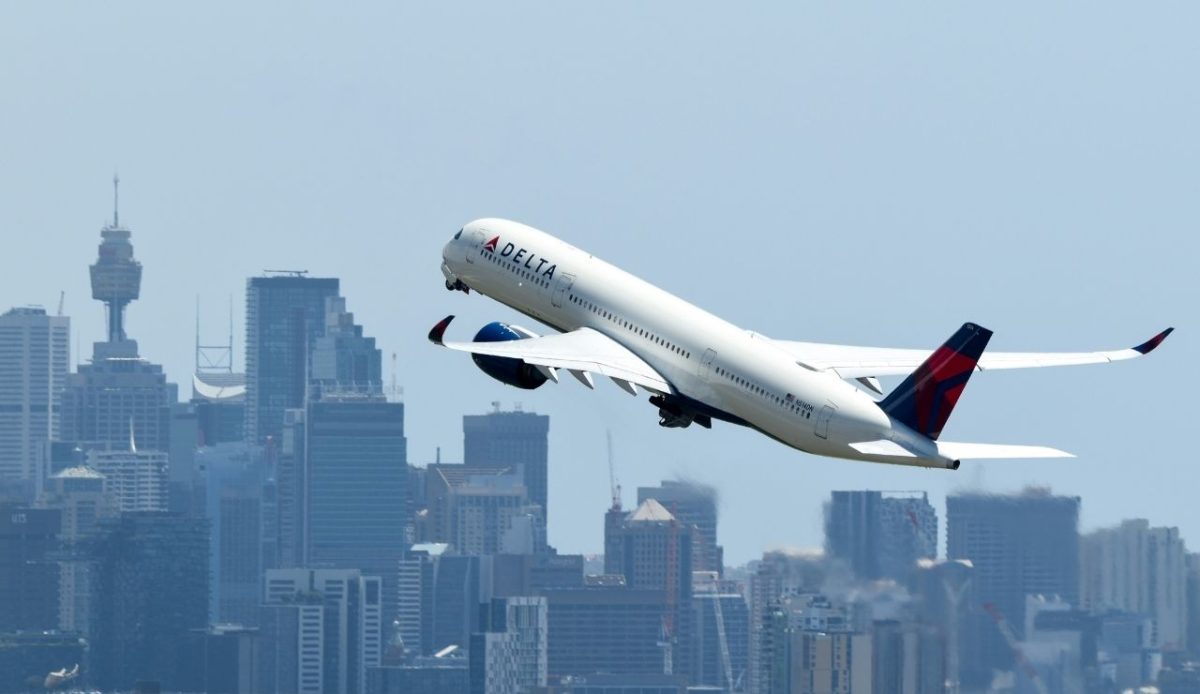
Delta markets its lowest tier as Delta Main Basic. The fare does not earn mileage credit and does not count toward Medallion Status, even when the flight, aircraft, and cabin are the same as other Main Cabin tickets. Upgrades are excluded as well.
For travelers who track annual thresholds, the loss is cumulative. A few weekend trips that once added up to meaningful progress can now produce zero status movement and fewer SkyMiles for future awards.
The policy also changes how price comparisons work. The cheapest number at checkout may be offset by the hidden cost of lost earnings, especially for passengers who value upgrades and elite benefits later.
3. Seat Assignment Delayed Until After Check-In

With Delta Main Basic, a seat is not selected during booking. The airline assigns a seat after check-in and may finalize it at the gate, which reduces control over aisle, window, and proximity to the front.
This matters on long flights where a middle seat can change comfort and productivity. It also affects travelers with tight connections who prefer seats closer to the exit to save minutes at arrival. Late assignments can also scatter companions across rows.
Paying for Main Cabin restores early selection options and access to preferred seats for a fee. The lowest economy tier turns seat choice from a default step into a paid feature or a gamble.
4. No Guarantee Of Sitting With Companions

Delta states that travelers on Main Basic are not guaranteed seats next to companions, even when booked on the same reservation. Seat assignment happens later, so adjacency depends on what remains open at check-in.
For families, that can mean a parent and child split by a row or an aisle unless staff can rearrange seats. The risk rises on full flights where remaining seats are scattered, including many peak holiday departures.
Buying a higher fare restores the ability to pick seats early and reduce separation risk. This is a quiet change because the cabin is still labeled economy, yet the social expectation of sitting together is no longer built in.
5. Seat Selection Removed On Alaska Saver
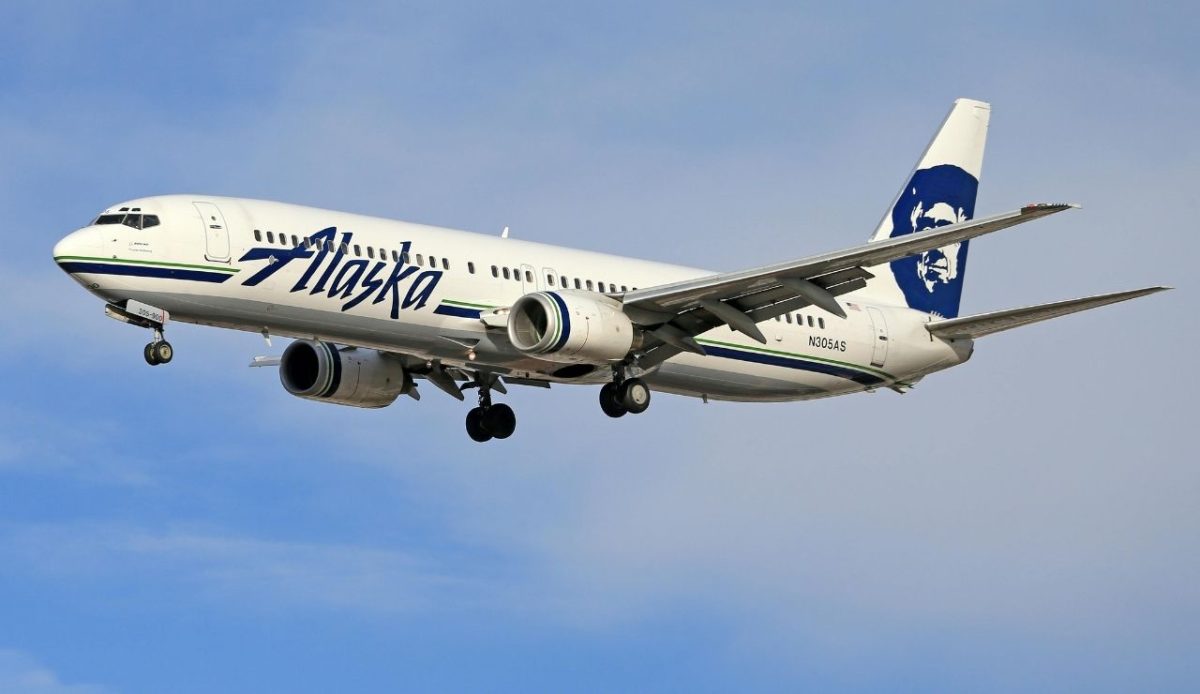
Alaska Airlines sells a lowest-tier called Saver. Saver passengers cannot choose a seat in advance, and assignment happens later in the process, which limits control over location, legroom options, and proximity to travel partners.
Traditional economy pricing usually included basic seat selection, with extra fees only for premium locations. Saver changes that baseline by making the selection itself unavailable, not merely more expensive.
Main Cabin on Alaska restores standard seat choice and offers paid upgrades to preferred seats. The gap highlights how far families repackage the same cabin into different products through rules rather than through service.
6. Last Boarding Group On American Basic Economy
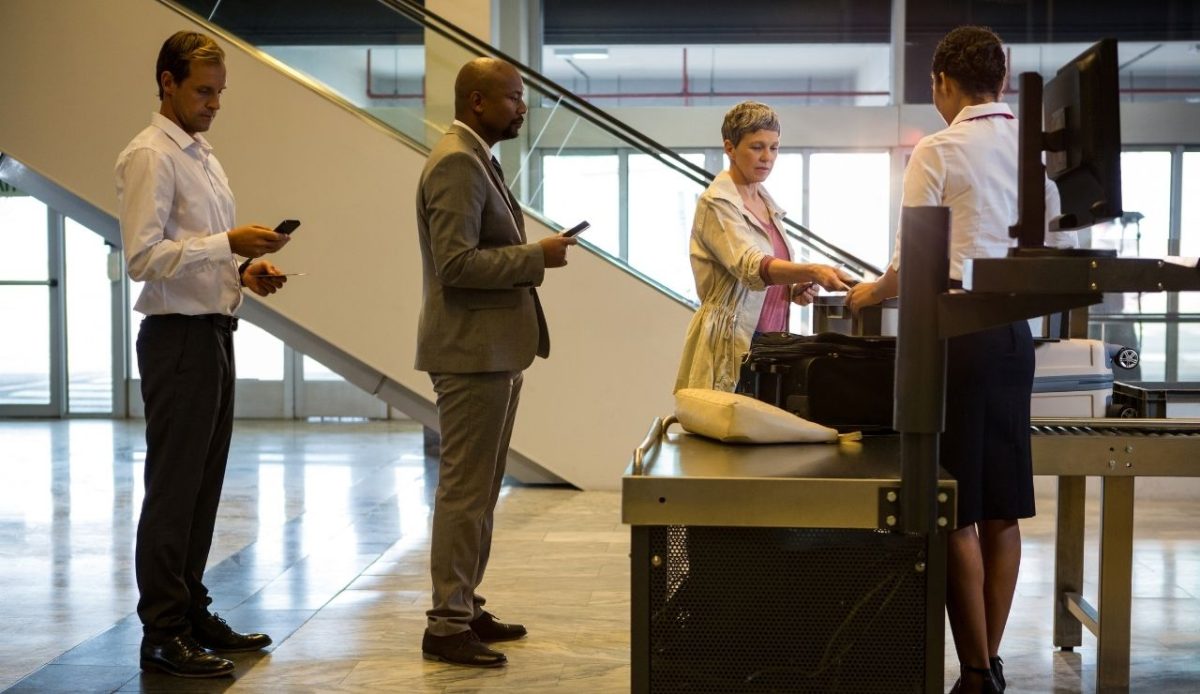
On American Airlines, Basic Economy boards in the final group, commonly Group 9. The airline warns that overhead bin space is often full by that time, which increases the odds that a carry-on must be checked at the gate.
Earlier boarding used to be routine for most economy passengers who arrived on time. Now, boarding order is a paid differentiator that protects bin access for higher fares, elite members, and certain cardholders. Late boarding can also raise stress in busy aisles.
The practical cost is time and uncertainty. A gate-checked bag can slow down deplaning and add risk for tight connections. Paying for a higher fare can indirectly buy a bin space through an earlier boarding spot.
7. Full-Size Carry-On Removed On United Basic Economy
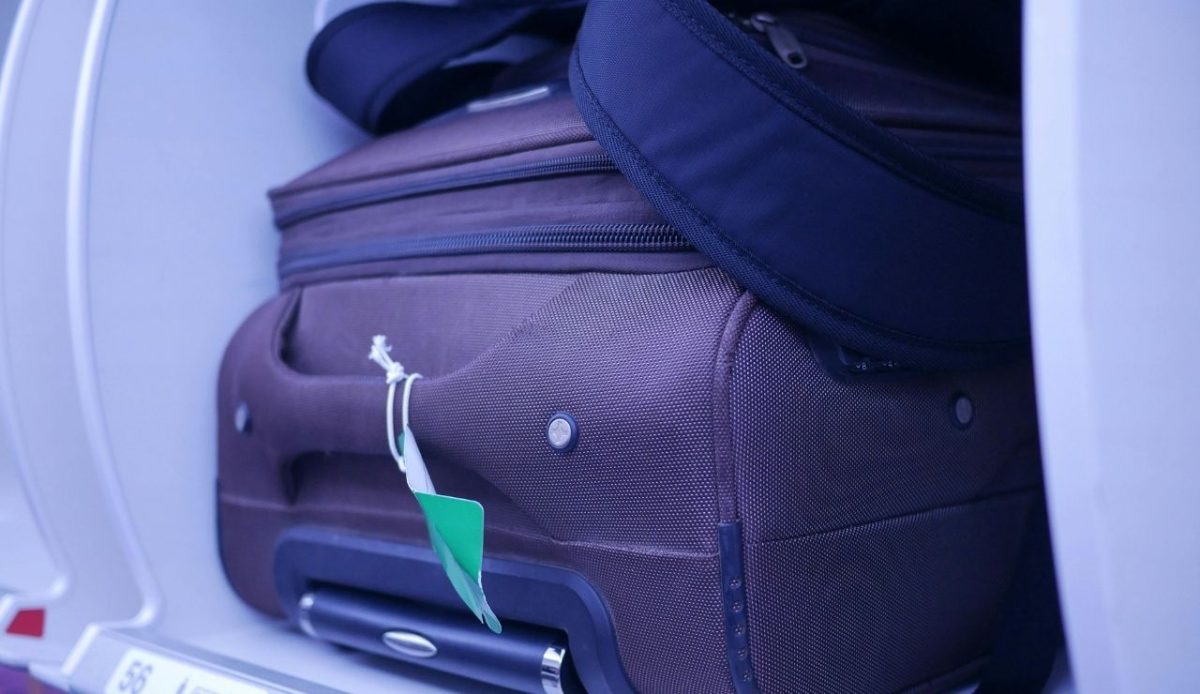
United’s Basic Economy typically includes only a personal item that fits under the seat. A full-size carry-on for the overhead bin is not included on many domestic itineraries, while standard economy allows both items. Some elites and cardholders get exceptions.
This changes packing math. Travelers who fly with only a small suitcase may face a fee or end up checking a bag, adding time at both ends and increasing exposure to delays or mishandling.
The rule also interacts with the boarding order because later groups may see bins fill faster. What was once assumed in the economy, bringing a carry-on, has become a priced feature tied to fare type and route rules.
8. Same-Day Standby Options Removed On Delta Main Basic

Delta Main Basic excludes access to same-day confirmed changes and same-day standby. A traveler who finishes a meeting early or misses a connection window cannot use those tools under the lowest fare, even if seats are open.
Same-day options used to act as a pressure valve in the system, letting passengers shift to an earlier or later flight without buying a new ticket. Removing eligibility makes the itinerary more rigid.
Main Cabin restores same-day change features under Delta’s rules, so the value of the higher fare is partly operational. The perk disappearing is not onboard service, but flexibility when schedules change in day-to-day life.
9. Ticket Changes Removed On United Basic Economy

United states that Basic Economy tickets are not changeable after the initial 24-hour window. If the traveler needs a different date or time later, the cheapest fare often requires buying a new ticket rather than modifying the old one.
In earlier eras, economy tickets could usually be changed for a fee, even if the fee was high. The newer approach removes the option entirely, which makes a low price risky for uncertain plans.
Standard economy on United allows changes without traditional change fees on many routes, though fare differences still apply. The contrast turns flexibility into a product feature, not a default right that comes with economy travel.
10. Change And Cancel Flexibility Reduced On JetBlue Blue Basic
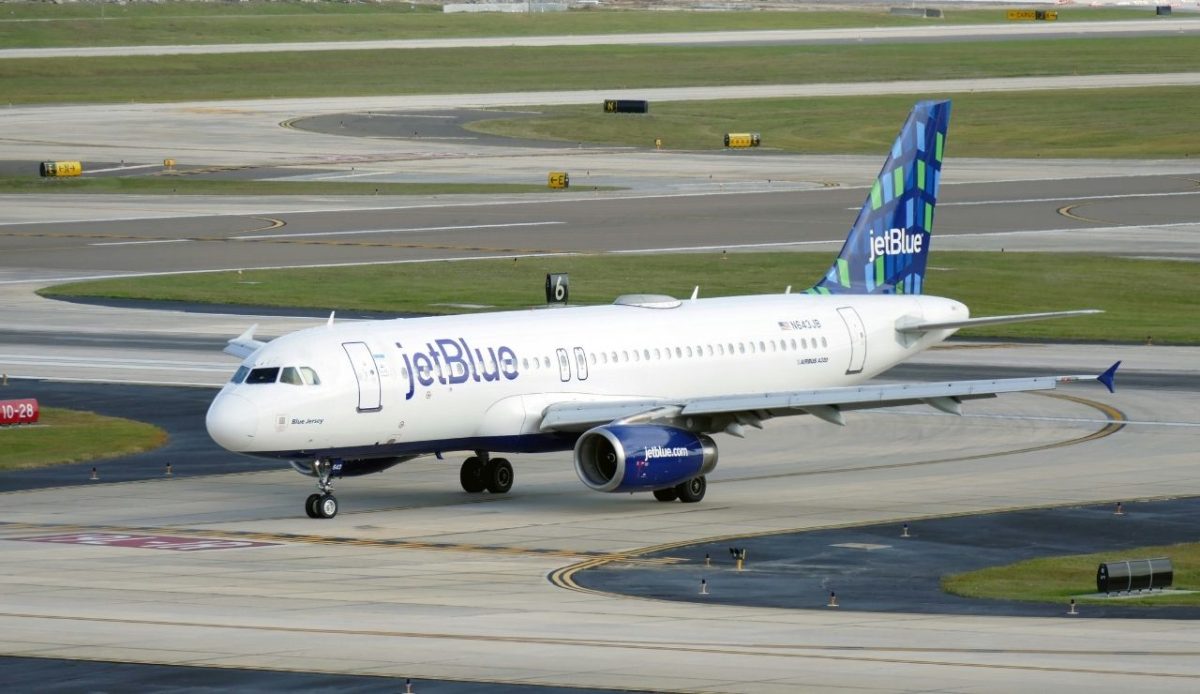
JetBlue’s Blue Basic comes with tighter change and cancellation terms than its other economy fares. Under current rules, the fare cannot be changed, and cancellation can trigger a fee, while higher fares offer more flexible travel credit handling.
The impact is felt when school calendars shift, storms reroute plans, or a traveler needs to move a trip by a day. A low fare can become expensive if the only practical fix is rebooking.
Because JetBlue sells multiple economy labels side by side, many passengers miss the policy differences at purchase. The perk disappearing is simple: the ability to adjust plans without a penalty that wipes out the savings.
